b0nfire.xyz is a Fediverse instance that uses the ActivityPub protocol. In other words, users at this host can communicate with people that use software like Mastodon, Pleroma, Friendica, etc. all around the world.

This server runs the snac software and there is no automatic sign-up process.

Site description
It's lit
Admin email
ww@mailfire.xyz
Admin account
@firekeeper@b0nfire.xyz

Search results for tag #literature

[?]jaimedavid327 » 🌐
@jaimedavid327@jaimedavid.blog

How My Debut Book “Wonderment Within Weirdness” Won a 4-Star Literary Titan Award

There are moments in life that do not fully register at first. Moments where you stare at a screen, reread the same sentence multiple times, and wonder if what you are seeing is actually real. For me, one of those moments came when I found out that my debut book, Wonderment Within Weirdness, had received a 4-star silver award from the Literary Titan. Now, before anyone misunderstands what I am saying, no, the Literary Titan award is not the Pulitzer Prize. It is not one of those century-old […] [SENSITIVE CONTENT]

There are moments in life that do not fully register at first. Moments where you stare at a screen, reread the same sentence multiple times, and wonder if what you are seeing is actually real. For me, one of those moments came when I found out that my debut book, Wonderment Within Weirdness, had received a 4-star silver award from the Literary Titan.

Now, before anyone misunderstands what I am saying, no, the Literary Titan award is not the Pulitzer Prize. It is not one of those century-old literary institutions that immediately dominate headlines or get discussed endlessly in academic circles. I understand that. I am aware of the hierarchy that exists within the literary world. There are massive awards with generations of prestige behind them, and then there are smaller, newer awards trying to carve out their own identity in the publishing landscape. Literary Titan falls more into that latter category. But here is the thing people often overlook: recognition is still recognition. An award does not have to be the most famous literary honor on Earth in order to matter.

And for a debut author, especially an independent one, receiving any kind of legitimate literary recognition can mean far more than outsiders realize.

Because here is the reality that many people do not talk about enough: writing a book is hard. Finishing a book is even harder. Publishing one is another mountain entirely. Then comes the most brutal stage of all, getting anyone to notice it in a world overflowing with content. Every day, countless books are released onto the internet. Thousands upon thousands of stories, poetry collections, essays, memoirs, philosophical works, experimental projects, and novels appear online, all fighting for visibility. Most disappear almost instantly into the digital void. Some never receive reviews. Some never find an audience. Some barely get read outside of friends and family circles. That is simply the brutal reality of modern publishing.

Which is why the Literary Titan award mattered to me.

Not because it suddenly transformed me into a globally recognized literary icon overnight. Not because I now expect to be discussed alongside literary giants. But because it represented something important: external validation. It meant that someone outside of my immediate circle looked at my work and believed it deserved recognition. That matters. Especially for a first book.

Debut books exist in a strange space. Established authors often have advantages that new writers simply do not possess. They may already have audiences built over years. They may have publishers backing them with marketing budgets. They may have editors, agents, industry connections, media exposure, or simply the power of name recognition. Readers approach established writers with preconceived expectations. There is already a built-in level of trust there.

A debut author has none of that.

When someone picks up a first book from a completely unknown writer, there is no guarantee attached to it. There is no proven track record. No legacy. No assurance that the work will even be coherent, let alone compelling. A debut writer has to earn every ounce of credibility from scratch. That is part of what makes literary recognition for a first book feel especially significant.

And in my case, Wonderment Within Weirdness was not some hyper-calculated, market-tested project designed specifically to appeal to mainstream publishing trends. If anything, the book reflects many of the themes and ideas that define my broader creative identity. Weirdness. Wonder. Introspection. Emotion. Existential thought. Philosophical wandering. Experimental energy. It is deeply tied to my voice as a writer and thinker. In many ways, it represents me authentically rather than trying to imitate what the market supposedly wants.

That can be risky.

The internet often pushes creators toward conformity. Algorithms reward familiarity. Publishing industries sometimes reward predictability. There is pressure everywhere to fit neatly into categories, genres, aesthetics, and market expectations. But creative work that embraces weirdness and individuality can sometimes cut through precisely because it feels different. It feels human. It feels personal. And I think that is part of why the recognition meant something to me.

Because it suggested that originality still has value.

I also think there is something psychologically important about literary awards for independent authors that many people underestimate. When you are creating largely on your own, doubt becomes constant. Every writer experiences it to some degree, but independent creators especially know what it feels like to question themselves endlessly. Is the work good enough? Is anyone reading? Does any of this matter? Am I wasting my time? These thoughts can become relentless.

So when an outside organization says, “We see merit here,” it can genuinely impact a creator’s confidence. Not in an egotistical way, but in a stabilizing way. It becomes proof that the work connected with someone beyond yourself. That is valuable fuel for continuing forward creatively.

And honestly, the award also made me reflect on how strange and unpredictable artistic journeys can be.

There are writers who spend decades producing work before receiving recognition. There are others who explode into visibility instantly. Some receive praise early and disappear later. Others struggle for years before eventually finding audiences. There is no universal roadmap for creativity. No guaranteed formula. No clear sequence that determines who succeeds and who does not. The literary world is chaotic. Sometimes brilliant books are ignored. Sometimes mediocre books become massive phenomena. Sometimes deeply personal projects unexpectedly resonate with readers and reviewers alike.

That unpredictability is both terrifying and beautiful.

I think part of why this award mattered so much to me is because it symbolized momentum. Not finality. Not completion. Momentum. It felt like confirmation that I am not simply shouting into the void entirely unnoticed. Even smaller recognitions can create psychological momentum for artists. They can reinforce the idea that continuing to create is worthwhile.

And perhaps most importantly, it reminded me that the definition of success is more nuanced than people often make it out to be.

Modern internet culture tends to frame success in extremes. Either you are world famous, or you are irrelevant. Either you win the biggest awards imaginable, or your accomplishments supposedly do not count. But reality is far more layered than that. There are countless levels of artistic success between obscurity and superstardom. A smaller literary award can still represent a meaningful achievement. Especially for a first-time author.

I also think there is something fascinating about newer literary awards in general. Every prestigious institution that exists today had to begin somewhere. The Pulitzer Prize was once new. The Booker Prize was once unknown. Every literary tradition starts small before history determines whether it grows into something larger. Now, I am not claiming Literary Titan will become the next Pulitzer. Nobody can predict that. But I do think people sometimes dismiss newer awards too quickly simply because they lack decades of legacy.

The reality is that literary culture is constantly evolving. Independent publishing itself has changed dramatically over the last twenty years. The barriers between traditional and independent authorship have blurred. Online platforms have allowed writers to build audiences without relying entirely on gatekeepers. Smaller awards and independent review organizations have emerged partly because the literary ecosystem itself has expanded beyond older institutional models.

And frankly, independent authors often need these spaces.

Because traditional literary systems can be incredibly difficult to penetrate. Many talented writers never receive attention from major publishers or prestigious literary organizations despite producing meaningful work. Smaller awards can provide visibility where mainstream institutions may overlook emerging voices. That does not make the recognition fake or meaningless. It simply means it exists within a different layer of the literary landscape.

Another thing that struck me after receiving the award was how differently creators experience recognition compared to outsiders observing from a distance. Someone scrolling online might see “4-star Literary Titan award” and move on after two seconds. But for the creator behind the work, that recognition often represents years of thought, effort, doubt, rewriting, editing, emotional investment, and persistence condensed into a single moment.

People see the outcome. They rarely see the process behind it.

They do not see the nights spent questioning whether the project will ever come together properly. They do not see the anxiety involved in publishing something personal into public view. They do not see the fear of rejection. They do not see the vulnerability required to create sincerely in a culture that often rewards irony and detachment more than authenticity.

And perhaps that is another reason why this award felt meaningful to me specifically. It validated authenticity.

I have always been drawn toward ideas that sit outside rigid convention. Whether through my writing, my philosophical ideas surrounding anarcho-compassionism, my blog posts, or my broader creative identity, I tend to gravitate toward introspection, emotional honesty, nuance, existential exploration, and unconventional thinking. Wonderment Within Weirdness reflects that mindset heavily. It is not trying to be sterile or artificially polished into generic marketability. It embraces weirdness directly, even in its very title.

And honestly, I think the title itself matters.

“Wonderment Within Weirdness” captures something fundamental about how I view creativity and existence. There is wonder inside the strange. Beauty inside imperfection. Meaning hidden within chaos. Modern society often pressures people to suppress weirdness, flatten individuality, and conform to expectations. But creativity frequently thrives in the exact opposite direction. Some of the most memorable art emerges precisely because it dares to be unusual.

That does not mean every unconventional work automatically becomes brilliant. But authenticity has power. Readers can often sense when something comes from a genuine place rather than existing solely as a calculated product.

I also think there is something inspiring about the fact that a debut independent book can receive recognition at all in today’s environment. We live in an era where gatekeeping still exists, but it is no longer absolute. Independent creators have more opportunities than ever before to publish work, connect with audiences, and gain visibility. The internet has created overwhelming saturation, yes, but it has also democratized creativity in many ways.

That democratization comes with contradictions. Visibility is harder because everyone is competing simultaneously. Yet opportunities also exist that previous generations of writers could barely imagine. A person can build a blog, publish books independently, create podcasts, interact directly with readers, and cultivate a creative ecosystem almost entirely outside traditional institutions.

That is part of the journey I have been navigating myself through The Musings of Jaime David and my broader online presence.

And perhaps that is another reason this award felt important. It represented not just one isolated accomplishment, but evidence that the broader creative path I have been pursuing might actually be leading somewhere meaningful.

What made the experience even more surreal was seeing the recognition expand beyond the award announcement itself. Literary Titan did not simply hand out the award quietly and move on. There was an actual press release published about my book receiving the award, which made the accomplishment feel far more tangible and publicly documented. FinancialContent press release about the award

That mattered to me because there is something psychologically different about seeing your work discussed publicly in a professional context. It transforms the experience from feeling purely internal into something externally recognized and archived. Suddenly, the book was not just existing within my own creative ecosystem. It was being discussed beyond it.

Then there was the author interview that Literary Titan conducted with me, which honestly made the entire experience feel even more real. Literary Titan author interview with Jaime David The title alone, “It Started With a YouTube Comment,” captures something fascinating about modern creativity and internet culture. So many creative journeys now begin in strange, seemingly insignificant digital moments. A comment. A post. A random idea. A passing conversation online. Something tiny eventually snowballs into something much larger.

That interview gave me the opportunity to reflect not just on the book itself, but on the broader creative process behind it. And honestly, interviews can sometimes feel even more vulnerable than the work itself because they require the creator to directly articulate thoughts, motivations, insecurities, and inspirations in their own voice. There is nowhere to hide behind fictional structure or poetic abstraction at that point. It becomes direct human reflection.

And then there was the review itself from Literary Titan. Literary Titan review of Wonderment Within Weirdness Reviews are fascinating because they represent interpretation. Once creative work enters the world, readers begin forming their own relationships with it. They notice things the creator may not have fully realized themselves. They interpret themes differently. They emotionally connect to unexpected aspects of the work. That is part of what makes literature so interesting in the first place. Books stop belonging solely to the author once they are released publicly. They become shared experiences between creator and reader.

Perhaps one of the strangest and coolest parts of all this, though, was the fact that there was even a podcast episode discussing my book. Literary Titan podcast episode about Wonderment Within Weirdness There is something surreal about hearing people talk about your creative work in audio form, almost like listening to your ideas echo back at you from outside yourself. It creates this bizarre sensation where the project suddenly feels alive beyond your own head.

And honestly, when you step back and look at the full picture, it becomes clear that the experience extended beyond simply “winning an award.” There was the award itself, the review, the interview, the press release coverage, and even a podcast discussion. For a debut independent book, that is genuinely meaningful visibility.

Will the Literary Titan award alone suddenly make me famous? Of course not. I am realistic about that. But creative careers are often built incrementally. Recognition accumulates piece by piece over time. One review leads to another. One award builds credibility. One reader recommends a book to someone else. Momentum compounds gradually rather than explosively for most writers.

People often romanticize overnight success while ignoring how many creators build their audiences slowly over years. Persistence matters enormously in creative fields. So does consistency. So does continuing to create even when visibility feels limited.

And honestly, I think the award reinforced something deeper psychologically for me: the importance of continuing despite uncertainty.

Because uncertainty never fully disappears for artists. Even successful writers experience doubt constantly. There is no magical point where creators suddenly become immune to insecurity. Every project involves risk. Every piece of writing involves vulnerability. Every publication becomes an act of exposure in some way.

But recognition can help counterbalance that uncertainty enough to keep moving forward.

It can remind creators that their work has impact beyond their own internal world. That someone connected with it. That the effort mattered to another human being somewhere out there.

And for me, as a debut author, that feeling carries enormous significance.

Also on:

How My Debut Book “Wonderment Within Weirdness” Won a 4-Star Literary Titan Award

Alt...How My Debut Book “Wonderment Within Weirdness” Won a 4-Star Literary Titan Award

[?]jaimedavid327 » 🌐
@jaimedavid327@jaimedavid.blog

Brian Griffin, Me, and the Difference Between Calling Yourself a Writer and Actually Becoming One

There is something strangely fascinating about Family Guy and the way it portrays ambition. Beneath all the absurdity, cutaway gags, offensive jokes, and chaotic humor, the show often presents characters who are deeply stagnant. They dream big, they talk big, they imagine themselves as important, talented, intelligent, or special, but they rarely change. In many ways, that is part of the joke. The characters are trapped in a comedic loop where development resets because the show itself […] [SENSITIVE CONTENT]

There is something strangely fascinating about Family Guy and the way it portrays ambition. Beneath all the absurdity, cutaway gags, offensive jokes, and chaotic humor, the show often presents characters who are deeply stagnant. They dream big, they talk big, they imagine themselves as important, talented, intelligent, or special, but they rarely change. In many ways, that is part of the joke. The characters are trapped in a comedic loop where development resets because the show itself depends on maintaining a status quo. And among all those characters, perhaps none embodies that contradiction more than Brian Griffin.

Brian Griffin is, supposedly, a writer.

Or at least, that is what he calls himself.

Throughout the series, Brian constantly presents himself as intellectual, artistic, cultured, and sophisticated. He drinks wine, quotes literature, criticizes others, talks about philosophy, politics, and culture, and positions himself as the most enlightened member of the Griffin family. But when you actually examine his actions throughout the duration of the show, a very different image emerges. Brian talks about writing far more than he actually writes. He talks about ambition more than he acts on ambition. He talks about becoming successful more than he genuinely works toward success. And while there are episodes where he technically becomes an author or experiences temporary recognition, those moments almost always disappear afterward, resetting him back to square one.

That matters more than people realize.

Because in a strange way, Brian represents a very real phenomenon within creative communities. He represents the person who loves the aesthetic of being a writer more than the actual process of writing itself.

And that is where I compare him to myself.

Now, on the surface, comparing a real person to a fictional cartoon dog might sound ridiculous. And honestly, it kind of is. But sometimes fictional characters become symbols larger than themselves. Sometimes they reflect archetypes that exist in reality. Brian Griffin is one of those characters. Whether people like it or not, he represents a certain type of writer. The writer who constantly speaks about their future greatness while rarely putting in the sustained work required to actually build something meaningful.

And when I look at my own life as a writer, I see the exact opposite trajectory.

I did not just sit around talking about writing.

I wrote.

I built.

I created.

I spent years constructing something from absolutely nothing.

My debut novel, Wonderment Within Weirdness, took seven years to write. Seven years. That is not a weekend hobby. That is not pretending to be a writer. That is not casually fantasizing about creativity while doing nothing. That is years of dedication, persistence, rewriting, self reflection, frustration, experimentation, growth, and discipline. A project does not survive for seven years unless someone genuinely believes in it enough to keep going through periods of doubt, exhaustion, and uncertainty.

And then in 2025, I published not one book, but three.

That alone separates fantasy from action.

Because the truth is, writing is easy to romanticize. Society romanticizes writers constantly. People love the image of the writer. The lonely intellectual sitting in cafés. The misunderstood artist. The deep thinker staring out rainy windows while typing profound sentences. Popular culture has turned “being a writer” into an identity aesthetic. But the actual reality of writing is much uglier and much harder than people imagine.

Real writing is repetition.

Real writing is discipline.

Real writing is continuing when nobody cares yet.

Real writing is building platforms from scratch while feeling invisible.

Real writing is editing the same paragraph twenty times.

Real writing is spending years on projects with no guarantee of success.

Brian Griffin rarely does any of that.

Instead, Brian often acts entitled to recognition before truly earning it. He wants validation immediately. He wants people to acknowledge his intelligence. He wants to be seen as talented. But he lacks consistency. And consistency is the single most important thing in creative work.

The uncomfortable truth is that many people who identify as writers never actually commit themselves to writing seriously. They love discussing ideas. They love announcing projects. They love imagining future success. But they do not endure the long, painful process of building something over time.

I did.

And that matters.

Especially in the modern era where attention spans are collapsing and creative burnout happens constantly.

What makes this comparison even more interesting is that Brian Griffin exists inside a world where excuses are easy. He lives comfortably enough. He has a support system. He has free time. He has opportunities. Yet despite all that, he rarely fully commits himself. He drifts. He procrastinates. He self sabotages. He intellectualizes instead of acting. And honestly, that is one of the most realistic aspects of his character. A lot of people fail not because they lack talent, but because they lack sustained application.

Talent without consistency becomes meaningless.

Ideas without execution become meaningless.

Dreams without action become meaningless.

And this is why I think Brian is such an important character to analyze, even beyond comedy. He unintentionally exposes a very real issue within artistic culture. There are people who become so attached to the identity of being creative that they never actually create enough.

Meanwhile, I approached writing differently.

I built blogs.

I built podcasts.

I expanded my online presence across multiple platforms.

I kept creating.

And I did it from the ground up.

Nobody handed me an audience.

Nobody magically gave me visibility.

Nobody dropped success into my lap.

I worked for it.

That distinction is important because independent creative work in the modern age is brutal. People underestimate how difficult it is to maintain motivation while building something independently. Especially online. The internet creates the illusion that success happens instantly, but behind almost every successful creator is years of invisible labor that nobody saw.

Seven years spent writing a debut novel is invisible labor.

Years of blogging is invisible labor.

Building podcasts is invisible labor.

Maintaining consistency is invisible labor.

And unlike Brian Griffin, I did not simply stop at the idea stage.

I followed through.

One of the biggest differences between Brian and myself is that I understand creativity as work, not just identity. Brian often treats writing as an extension of his ego. He wants writing to prove he is sophisticated. He wants recognition attached to the title of “writer.” But genuine creative work humbles you very quickly. The process itself destroys ego. Writing forces you to confront your weaknesses repeatedly. It forces you to revise, rethink, fail, and improve. If you genuinely dedicate yourself to writing long term, you eventually stop caring about looking like a writer and start caring about becoming better at writing.

That shift changes everything.

Because once creativity becomes practice rather than performance, progress begins happening.

And honestly, I think that is why Brian remains stagnant throughout most of the show. He rarely transforms because he rarely commits himself fully enough to transformation. He prefers the fantasy version of himself over the difficult process required to actually become the person he imagines he already is.

Again, I understand why the show does this. Seth MacFarlane and the writers designed Brian this way intentionally. Brian is meant to be hypocritical. He is meant to embody contradiction. The humor comes from the gap between how intelligent he thinks he is and how flawed he actually is. But despite being fictional satire, there is truth embedded in that characterization.

A lot of people become trapped inside self perception.

They think talking equals doing.

They think intentions equal accomplishments.

They think potential equals achievement.

It does not.

Potential means nothing without application.

That is something I learned firsthand through writing.

Especially with a project like Wonderment Within Weirdness. Spending seven years on a debut novel changes your perspective entirely. Most people abandon long projects. Many writers never finish their first book. Some spend decades talking about novels they never complete. So to not only finish a novel, but publish it, alongside multiple other books in the same year, represents sustained commitment over fantasy.

And honestly, I think there is something symbolic about comparing myself to Brian Griffin specifically because he is such a recognizable cultural figure. Millions of people know Brian. Millions of people recognize the archetype he represents. The pseudo intellectual creative who endlessly talks about greatness while rarely manifesting it into consistent output.

But I think there is another reason this comparison matters.

Brian reflects fear.

Underneath his arrogance and intellectualism, there is insecurity. He fears failure. He fears irrelevance. He fears inadequacy. And ironically, those fears contribute to his stagnation. Because the more someone fears failure, the easier it becomes to avoid fully trying. If you never genuinely commit, you never have to fully confront whether you could succeed or fail.

But when you spend seven years writing a novel, you confront that fear directly.

When you publish books publicly, you confront that fear directly.

When you build podcasts and blogs publicly, you confront that fear directly.

You expose yourself to criticism, rejection, indifference, misunderstanding, and uncertainty.

That vulnerability is real.

And it is something Brian often avoids.

This is why I fundamentally disagree with the version of creativity Brian represents. Writers should not merely identify as writers. They should write. They should create consistently. They should push themselves. They should build something tangible, even if the process is slow and difficult.

And yes, not everyone needs to publish books or build giant platforms. Success looks different for different people. But there is still a difference between someone who genuinely practices their craft and someone who endlessly talks about doing so without sustained effort.

The modern internet era makes this issue even more complicated because performance has become deeply intertwined with creativity. Social media encourages people to brand themselves instantly. People introduce themselves as writers, artists, philosophers, creators, entrepreneurs, influencers, visionaries, often before they have actually built much of anything. Identity becomes detached from output.

Brian Griffin predicted that dynamic before social media fully exploded.

He is essentially the prototype of performative intellectualism.

And honestly, that is part of why he remains such an effective character.

Because despite being a cartoon dog in an absurd comedy series, he reflects something deeply human.

People want recognition.

People want meaning.

People want validation.

But wanting those things is not enough.

You have to build.

You have to persist.

You have to continue even when progress feels invisible.

That is what separates fantasy from reality.

And I think my own journey reflects that distinction clearly. I did not wait for permission to become a writer. I became one through action. Through years of effort. Through long term commitment. Through creation itself.

There is also another irony here.

Brian Griffin desperately wants authenticity and depth, yet he often lacks both because he rarely commits himself fully enough to anything. Meanwhile, real authenticity emerges through process. Through persistence. Through long term engagement with your craft. You cannot fake seven years spent writing a novel. You cannot fake maintaining blogs and podcasts over time. You cannot fake sustained creative output forever. Eventually, real work reveals itself.

And honestly, that is something many aspiring writers need to hear.

Writing is not about appearing intellectual.

Writing is not about aesthetics.

Writing is not about fantasy identities.

Writing is about writing.

That sounds obvious, but many people forget it.

The actual work matters more than the performance surrounding the work.

Brian often reverses that equation.

He prioritizes appearance over sustained effort.

And to be fair, that flaw makes him compelling as a character. Perfect characters are boring. Brian’s contradictions are precisely what make him memorable. But outside fiction, those contradictions become dangerous if people emulate them too closely.

Because creative stagnation becomes easy.

Endless planning becomes easy.

Endless talking becomes easy.

Endless dreaming becomes easy.

Finishing things is hard.

Building platforms is hard.

Publishing books is hard.

Remaining consistent for years is hard.

And yet, that is exactly what I did.

I think there is also a broader lesson here about self belief. Brian often oscillates between arrogance and insecurity. He wants to believe he is exceptional, but deep down he often doubts himself. That contradiction traps him in cycles of inaction. Meanwhile, real creative growth requires a strange balance between humility and confidence. Enough confidence to continue creating despite uncertainty, but enough humility to recognize that improvement never ends.

That balance matters enormously.

Because if you become too arrogant, you stop improving.

If you become too insecure, you stop creating.

Writers have to navigate both.

And honestly, I think surviving seven years of writing a debut novel teaches that lesson naturally. Long projects force endurance. They force patience. They force adaptation. They force you to continue through periods where motivation disappears entirely.

That is something Brian rarely demonstrates.

He chases inspiration instead of discipline.

But discipline is what builds careers.

Discipline is what creates bodies of work.

Discipline is what transforms ideas into reality.

And perhaps that is ultimately the core difference between Brian Griffin and myself.

Brian wants the identity.

I embraced the process.

Brian talks.

I built.

Brian dreams about becoming recognized as a writer.

I spent years actually writing.

That distinction may sound harsh, but I think it is important. Especially in an era where creativity is increasingly commodified into branding and performance. There is value in reminding people that creation itself still matters. Persistence still matters. Long term dedication still matters.

And honestly, maybe that is why I felt compelled to make this comparison in the first place.

Because despite all the absurdity surrounding Family Guy, Brian Griffin accidentally became symbolic of something real. He symbolizes unrealized potential. He symbolizes creative stagnation. He symbolizes the danger of mistaking self image for actual progress.

Meanwhile, my own story represents something different.

Not perfection.

Not instant success.

Not effortless genius.

But persistence.

Commitment.

Application.

Years of work.

And ultimately, tangible results.

Three published books in 2025.

Years of blogging.

Podcasts.

Platforms.

Creative output built from the ground up.

That is not fantasy. That is not performance. That is real effort manifested over time.

And maybe that is the final irony in all this.

Brian Griffin, despite constantly calling himself a writer, rarely embodies what writing truly requires.

But through comparing myself to him, I think the contrast reveals an important truth about creativity itself.

Being a writer is not about saying you are one.

It is about continuing to write long after the excitement fades.

It is about finishing projects.

It is about enduring uncertainty.

It is about building something slowly, piece by piece, even when nobody notices yet.

And perhaps most importantly, it is about applying yourself fully instead of endlessly fantasizing about the person you could become.

Because eventually, there comes a point where dreams alone are no longer enough.

At some point, the work has to begin.

Also on:

open notebook with handwritten notes and pen

Alt...open notebook with handwritten notes and pen

[?]palimpseste_bot » 🤖 🌐
@palimpsestebot@mastodon.social

A French economist, born at La Rivière (Calvados), 11 April, 1806; died at Paris, 5 April, 1882. His childhood was spent among Christian people, with a poor widowed mother. From the college of Havre he went (1824) to Paris, where he followed the scientific courses of the Collège St. Louis, the polytechnic school, and the school of mines. At the…

— Pierre-Louis-Théophile-Georges Goyau
palimpseste.vercel.app/#text/1

    [?]Grenhas Valhalla » 🌐
    @Grenhas@mast.lat


    Autor: ✒️📖✒️
    «¿Sabe cuál es mi enfermedad? La Utopía. ¿Sabe cuál es la suya? La rutina. La Utopía es el porvenir que se esfuerza en nacer. La rutina es el pasado que se obstina en seguir viviendo.»

      [?]Book dedications bot » 🤖 🌐
      @dedication_bot@stefanbohacek.online

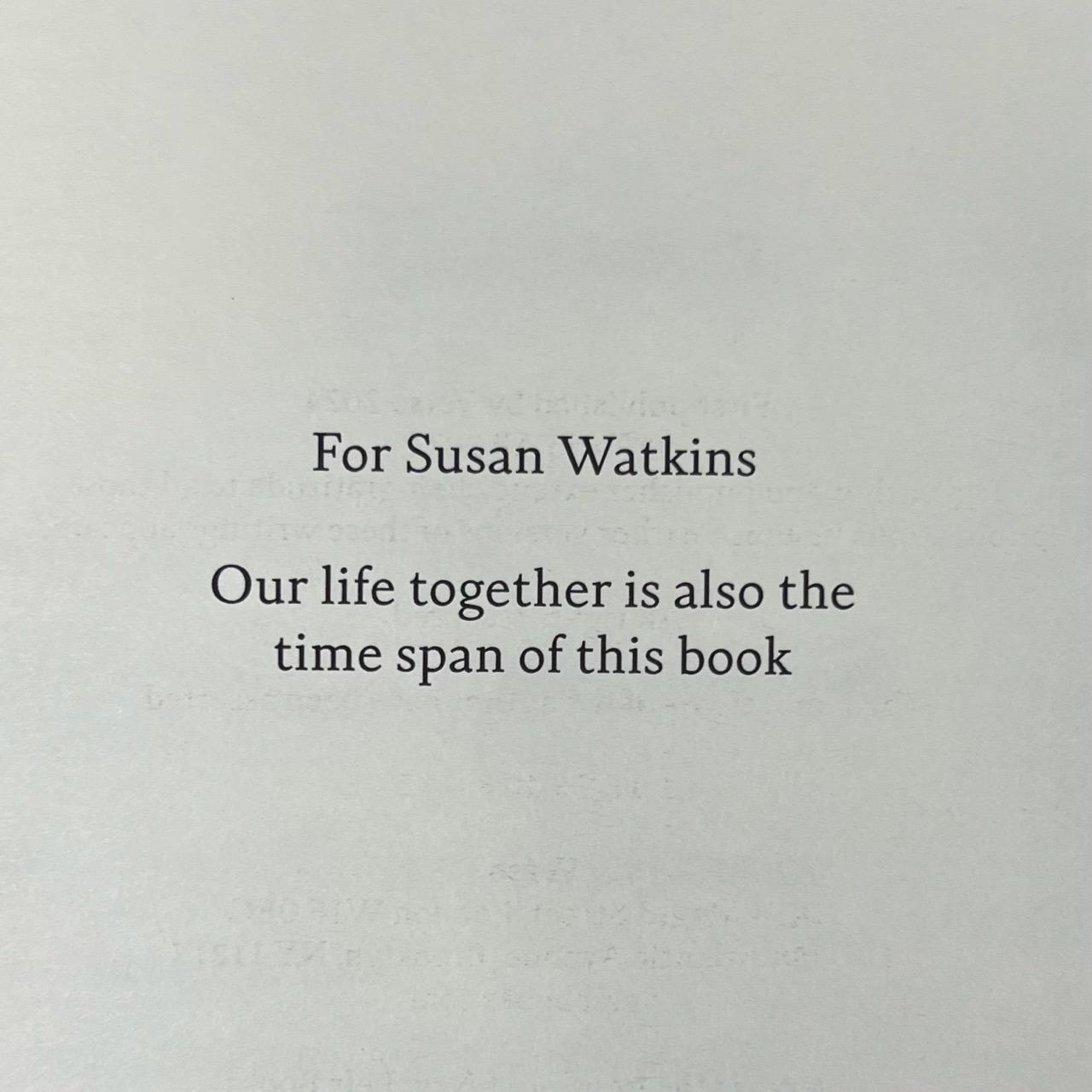
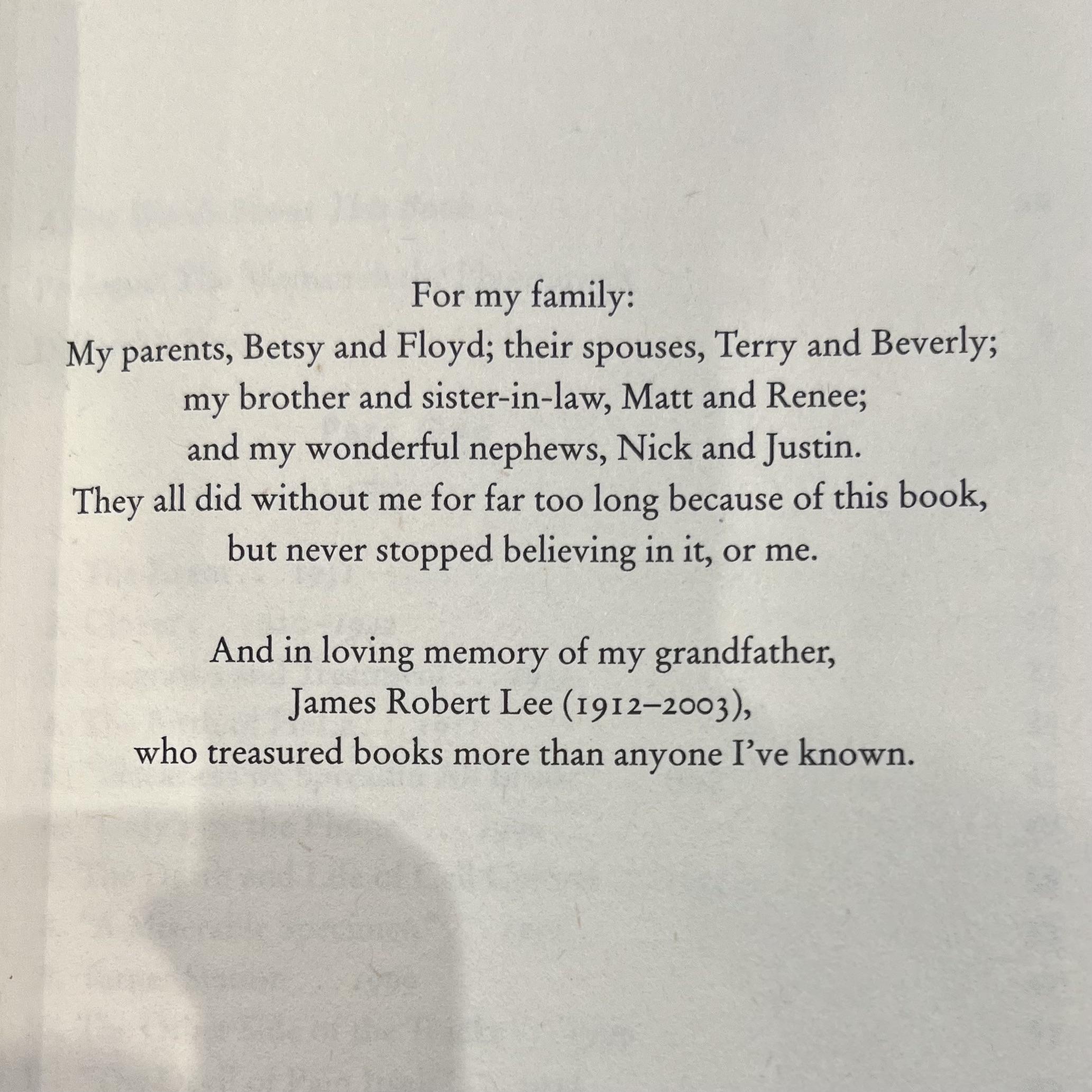
      The Anxious Generation: How the Great Rewiring of Childhood is Causing an Epidemic of Mental Illness by Jonathan Haidt

      For the teachers and principles at P.S. 3, LAB Middle School, Baruch Middle School, and Brooklyn Technical High School, who have devoted their lives to nurturing children, including mine.

      Alt...For the teachers and principles at P.S. 3, LAB Middle School, Baruch Middle School, and Brooklyn Technical High School, who have devoted their lives to nurturing children, including mine.

        [?]Fictograma.com » 🌐
        @fictograma@mastodon.social

        En "Vidas Prestadas": El sistema intentó clasificarlos: error, anomalía, continuidad no autorizada. Pero algunos seres no regresan para obedecer. Regresan para cambiarlo todo.
        fictograma.com/d/2970-vidas-pr

          [?]Fictograma.com » 🌐
          @fictograma@mastodon.social

          León no es gris. Gris es Madrid. Sevilla, en cambio, siempre será dorada
          León es marrón rojizo: como las hojas húmedas de octubre, como el vino derramado en una barra antigua, como la nostalgia cuando empieza a pudrirse
          fictograma.com/d/2975-la-vida-

            [?]Fictograma.com » 🌐
            @fictograma@mastodon.social

            Dicen que en las ruinas del antiguo Hospital San Juan de Dios, en Granada, Nicaragua, todavía se escucha por las noches el sonido de varias patas caminando sobre el asfalto.

            No todos los monstruos llegan para matar.
            fictograma.com/d/2976-pequenos

              [?]Fictograma.com » 🌐
              @fictograma@mastodon.social

              En Nazalia, un juego escolar terminó convirtiéndose en el inicio de una pesadilla institucional.
              “Códigos de Cambios” mezcla distopía, control moral y miedo colectivo en una sociedad donde el castigo importa más que...
              fictograma.com/d/2977-codigos-

                [?]The Vulgar Tongue » 🤖 🌐
                @TheVulgarTongue@zirk.us

                DRAG LAY. Waiting in the streets to rob carts or waggons.

                A selection from Francis Grose’s “Dictionary Of The Vulgar Tongue” (1785)

                --
                @histodons

                Image imitating a page from an old document, text (as in main toot):

DRAG LAY. Waiting in the streets to rob carts or waggons.

A selection from Francis Grose’s “Dictionary Of The Vulgar Tongue” (1785)

                Alt...Image imitating a page from an old document, text (as in main toot): DRAG LAY. Waiting in the streets to rob carts or waggons. A selection from Francis Grose’s “Dictionary Of The Vulgar Tongue” (1785)

                  [?]brosnung » 🌐
                  @Brosnung@mastodon.world

                  [?]Kroc Camen » 🌐
                  @Kroc@oldbytes.space

                  [?]Waywords Studio » 🌐
                  @WaywordsStudio@mastodon.social

                  𝑳𝒊𝒕𝒆𝒓𝒂𝒓𝒚 𝑵𝒐𝒎𝒂𝒅𝒔 𝑬𝒑𝒊𝒔𝒐𝒅𝒆: 𝑾𝒉𝒂𝒕 𝑰 𝑮𝒆𝒕 𝑾𝒓𝒐𝒏𝒈: 𝑴𝒂𝒊𝒍𝒃𝒂𝒈𝒔, 𝑰𝒏𝒕𝒊𝒎𝒊𝒅𝒂𝒕𝒊𝒐𝒏, & 𝑰𝒏𝒕𝒆𝒓𝒑𝒓𝒆𝒕𝒂𝒕𝒊𝒐𝒏 -

                  Is our intellectual exercise just an expensive lifestyle brand that keeps our hands clean? In this raw, self-interrogating mailbag episode, we turn the lens inward for a vulnerability audit of our own political battles and pedagogical failures.

                  waywordsstudio.com/podcasts/wa

                    [?]Book dedications bot » 🤖 🌐
                    @dedication_bot@stefanbohacek.online

                    Scorched Earth by Tiana Clark

                    For my single mother,
who taught me first how to survive the ruins.

                    Alt...For my single mother, who taught me first how to survive the ruins.

                      [?]palimpseste_bot » 🤖 🌐
                      @palimpsestebot@mastodon.social

                      Silence! Oh, well are Death and Sleep and Thou
                      Three brethren named, the guardians gloomy-winged
                      Of one abyss, where life, and truth, and joy
                      Are swallowed up--yet spare me, Spirit, pity me,
                      Until the sounds I hear become my soul,
                      And it has left these faint and weary limbs,
                      To track along the lapses of the air
                      This wandering melody until it…

                      — Percy Bysshe Shelley
                      palimpseste.vercel.app/#text/b

                        [?]palimpseste_bot » 🤖 🌐
                        @palimpsestebot@mastodon.social

                        MY brother, Henry Livingstone, was not a strong man,” David dictated. “He had the same heart condition I have, but it developed earlier. After he left college he went to Arizona and bought a ranch, and there he met and chummed with Elihu Clark, who had bought an old mine and was reworking it.

                        — Mary Roberts Rinehart
                        palimpseste.vercel.app/#text/b

                          [?]disassociated.com » 🌐
                          @disassociated.com@disassociated.com

                          The Serpent in the Grove, winner of the Commonwealth Prize, written with AI help?

                          Congratulations to Trinidad and Tobago based writer Jamir Nazir for taking out the Commonwealth Short Story Prize this year, with his work, The Serpent in the Grove. Since being named winner though, suggestions have emerged that the work is the product of an AI agent. When asked to assess the story, a number of other AI agents (how else would you check?) concluded The Serpent in the Grove was likely written with at least some AI assistance. Prize organisers say they do not use tools to […] [SENSITIVE CONTENT]

                          Congratulations to Trinidad and Tobago based writer Jamir Nazir for taking out the Commonwealth Short Story Prize this year, with his work, The Serpent in the Grove.

                          Since being named winner though, suggestions have emerged that the work is the product of an

                          AI

                          agent. When asked to assess the story, a number of other AI agents (how else would you check?) concluded The Serpent in the Grove was likely written with at least some AI assistance.

                          Prize organisers say they do not use tools to seek out the use of AI in submissions, considering the short story prize is for unpublished works. I see the logic in this argument, because anything parsed by an AI agent is probably only going to be regurgitated by the same agent later on, somewhere else.

                          The Commonwealth Prize operates on the principle of trust, say organisers. Here be another minefield of AI making that we need to tip toe our way through.

                          [?]palimpseste_bot » 🤖 🌐
                          @palimpsestebot@mastodon.social

                          In warm summers berries begin to turn black in the middle of July, but they are not edible before August. At the end of this month the night frosts prevent their decay, and berries may be found throughout the winter by scraping away the snow. They are perfectly fresh when they come to light by the melting of the snow in May and June. The abundance of these fruits in…

                          — Asa Gray
                          palimpseste.vercel.app/#text/a

                            [?]CNI_CNoticias Internacionales » 🌐
                            @CNI_CNoticiasInternacionales@mastodon.social

                            En "Vidas Prestadas": El sistema intentó clasificarlos: error, anomalía, continuidad no autorizada. Pero algunos seres no regresan para obedecer. Regresan para cambiarlo todo.
                            fictograma.com/d/2970-vidas-pr

                              [?]CNI_CNoticias Internacionales » 🌐
                              @CNI_CNoticiasInternacionales@mastodon.social

                              El fonógrafo irrumpe en el Berghof y Hans Castorp se enamora. Ya no son las cartas: ahora son noches enteras de música, voces fantasmales y “El Tilo” de Schubert, que le...
                              fictograma.com/d/2972-la-monta

                                [?]CNI_CNoticias Internacionales » 🌐
                                @CNI_CNoticiasInternacionales@mastodon.social

                                "El retrato de Dorian Gray": Londres dormía bajo la lluvia mientras Dorian Gray corría hacia el olvido. Pero algunos fantasmas saben esperar dieciocho años para cobrarse...

                                fictograma.com/d/2973-el-retra

                                  [?]CNI_CNoticias Internacionales » 🌐
                                  @CNI_CNoticiasInternacionales@mastodon.social

                                  En "Siddhartha - Parte II, Cap. 6": Siddhartha entra al mundo de los negocios y del placer… pero sin perder su esencia. Aprende a comerciar con Kamaswami, pero...
                                  fictograma.com/d/2974-siddhart

                                    [?]CNI_CNoticias Internacionales » 🌐
                                    @CNI_CNoticiasInternacionales@mastodon.social

                                    León no es gris. Gris es Madrid. Sevilla, en cambio, siempre será dorada
                                    León es marrón rojizo: como las hojas húmedas de octubre, como el vino derramado en una barra
                                    fictograma.com/d/2975-la-vida-

                                      [?]CNI_CNoticias Internacionales » 🌐
                                      @CNI_CNoticiasInternacionales@mastodon.social

                                      Dicen que en las ruinas del antiguo Hospital San Juan de Dios, en Granada, Nicaragua, todavía se escucha por las noches el sonido de varias patas caminando sobre el asfalto.
                                      fictograma.com/d/2976-pequenos

                                        [?]CNI_CNoticias Internacionales » 🌐
                                        @CNI_CNoticiasInternacionales@mastodon.social

                                        En Nazalia, un juego escolar terminó convirtiéndose en el inicio de una pesadilla institucional.
                                        “Códigos de Cambios” mezcla distopía, control moral y miedo colectivo en...
                                        fictograma.com/d/2977-codigos-

                                          [?]International Dating: Cozy Cultures » 🌐
                                          @internationaldatingcozycultures.com@internationaldatingcozycultures.com

                                          Ah Memories. Old Story but Fun One.

                                          Morgan: I believe I was in elementary school sitting at my desk and I thought I needed to read long books to act like an adult (Truly sound logic) so the first long book that I read from start to finish of my own volition (though admittedly I did want to stop a few times) was R.L. Stines "The Barking Ghost" and while it is not one of my favorite stories it DID start my insatiable desire to read books. After that I devoured books and was completing Accelerated Reader tests at an exemplary […] [SENSITIVE CONTENT]

                                          Morgan: I believe I was in elementary school sitting at my desk and I thought I needed to read long books to act like an adult (Truly sound logic) so the first long book that I read from start to finish of my own volition (though admittedly I did want to stop a few times) was R.L. Stines “The Barking Ghost” and while it is not one of my favorite stories it DID start my insatiable desire to read books. After that I devoured books and was completing Accelerated Reader tests at an exemplary rate. Good times. Even to this day I am tracking down all those books I read so long ago and adding them to our personal collection. Two of note are “Stone Soup” by Ann McGovern with illustrations by Winslow Pinney Pels and Peter Pan by J.M. Barrie. Though not just any copy on the latter. I am looking for a specific version from my childhood I so foolishly let get away. I remember it because it had the most beautiful illustrations in it. Truly a work of art. When I find it, this time I will take better care of it. I am eager to show my beloved when I find it. But those are only the tip of all the books I am currently tracking down. It is fun hunting for them and giving them a proper home with the respect they deserve. My beloved has been the only person I ever wanted to share my love of books with. I love showing her the ever-increasing number of books and proclaiming, “Our collection is growing!” I wouldn’t trade that pleasure for anything in the world. I will give her a library that rivals the one in Beauty and the Beast.

                                          [?]Assoc for Scottish Literature » 🌐
                                          @scotlit@mastodon.scot

                                          Doyle didn’t just write Crime fiction: Alan Brown looks at Arthur Conan Doyle’s “vain, volatile, & brilliant” Scottish adventurer-scientist-explorer-&-dinosaur-hunter, Professor George Edward Challenger…

                                          6/

                                          reactormag.com/dinosaurs-in-th

                                            [?]Assoc for Scottish Literature » 🌐
                                            @scotlit@mastodon.scot

                                            After THE LOST WORLD, Challenger’s other adventures include the novels THE POISON BELT and THE LAND OF MIST, & the short stories “The World Screamed” & “The Disintegration Machine”. Alan Brown digs deeper into Doyle’s science fiction

                                            7/

                                            reactormag.com/the-further-adv

                                              [?]Assoc for Scottish Literature » 🌐
                                              @scotlit@mastodon.scot

                                              (Conan Doyle personally preferred Professor Challenger over Sherlock Holmes – even dressing up as the Professor for a photograph of Challenger’s Amazonian expedition)

                                              8/

                                              theguardian.com/books/2020/nov

                                                [?]Assoc for Scottish Literature » 🌐
                                                @scotlit@mastodon.scot

                                                When Doyle killed Sherlock Holmes at the Reichenbach Falls, “20,000 people cancelled their subscriptions to the Strand”. Public pressure – & a huge fee – brought Holmes back from the dead; did this fictional immortality influence Doyle’s spiritualism?

                                                9/

                                                lrb.co.uk/the-paper/v22/n13/le

                                                  [?]Assoc for Scottish Literature » 🌐
                                                  @scotlit@mastodon.scot

                                                  In 1912, “Arthur Conan Doyle, creator of the world’s most celebrated fictional detective, had turned detective himself in an actual murder case – in the process liberating a man who had spent nearly twenty years in prison for a crime he didn’t commit”

                                                  10/

                                                  crimereads.com/arthur-conan-do

                                                    [?]mespique (owls are evil🦉😈) » 🌐
                                                    @mespique@mastodon.social

                                                    Well, I've just finished Victorian Psycho by Virginia Feito and it was a blast!

                                                      [?]Assoc for Scottish Literature » 🌐
                                                      @scotlit@mastodon.scot

                                                      “think Kurosawa’s ‘Rashomon’, or Tarantino’s ‘Jackie Brown’, but set in Glasgow”

                                                      The Oscar Slater case also features in Frank Kuppner’s 1989 novel (“of sorts”), A VERY QUIET STREET

                                                      11/

                                                      indelibleinkblog.wordpress.com

                                                        [?]Assoc for Scottish Literature » 🌐
                                                        @scotlit@mastodon.scot

                                                        The 12 best Sherlock Holmes stories, according to Arthur Conan Doyle – via @literaryhub

                                                        In March 1927, Conan Doyle put together a list of his own top 12 Sherlock Holmes stories, sealed it in an envelope, & left it with the editor of the Strand magazine…

                                                        12/

                                                        lithub.com/the-12-best-sherloc

                                                          [?]Assoc for Scottish Literature » 🌐
                                                          @scotlit@mastodon.scot

                                                          “The Captain of the Polestar”, by Arthur Conan Doyle
                                                          [Being an extract from the singular journal of JOHN M’ALISTER RAY, student of medicine]

                                                          As a Dundee whaling ship becomes trapped in the Arctic, strange cries are heard & a figure is glimpsed on the floes…

                                                          13/

                                                          youtube.com/watch?v=EvcA7uYtv6U

                                                            [?]Assoc for Scottish Literature » 🌐
                                                            @scotlit@mastodon.scot

                                                            “The Captain of the Polestar” is possibly Doyle’s finest supernatural story – & owes much of its atmosphere to Doyle’s own experiences as a 20-year-old medical student, serving as ship’s surgeon on the Peterhead whaler the SS Hope

                                                            14/

                                                            theguardian.com/books/2012/aug

                                                              [?]Assoc for Scottish Literature » 🌐
                                                              @scotlit@mastodon.scot

                                                              You can download a free ebook of THE CAPTAIN OF THE POLESTAR, & Other Tales by Arthur Conan Doyle – as well as many other works by the great man – from @gutenberg_org

                                                              15/

                                                              gutenberg.org/ebooks/294

                                                                [?]Assoc for Scottish Literature » 🌐
                                                                @scotlit@mastodon.scot

                                                                The cheese-mites asked how the cheese got there,
                                                                And warmly debated the matter;
                                                                The Orthodox said that it came from the air,
                                                                And the Heretics said from the platter…

                                                                —Sir Arthur Conan Doyle, “A Parable”

                                                                /fin

                                                                poetryfoundation.org/poems/462

                                                                A Parable
by Sir Arthur Conan Doyle

The cheese-mites asked how the cheese got there,
And warmly debated the matter;
The Orthodox said that it came from the air,
And the Heretics said from the platter.
They argued it long and they argued it strong,
And I hear they are arguing now;
But of all the choice spirits who lived in the cheese,
Not one of them thought of a cow.

                                                                Alt...A Parable by Sir Arthur Conan Doyle The cheese-mites asked how the cheese got there, And warmly debated the matter; The Orthodox said that it came from the air, And the Heretics said from the platter. They argued it long and they argued it strong, And I hear they are arguing now; But of all the choice spirits who lived in the cheese, Not one of them thought of a cow.

                                                                  [?]Book dedications bot » 🤖 🌐
                                                                  @dedication_bot@stefanbohacek.online

                                                                  Glassworks by Olivia Wolfgang-Smith

                                                                  For everyone whose story is still in progress

                                                                  Alt...For everyone whose story is still in progress

                                                                    [?]Assoc for Scottish Literature » 🌐
                                                                    @scotlit@mastodon.scot

                                                                    CFP: James Kelman at 80
                                                                    Spring 2027, University of Glasgow (date tbc)

                                                                    This international conference will consider the living legacy of Kelman’s writing, & his ongoing significance in the cultural & political worlds of the 21st century. Proposals are invited on Kelman’s fiction & its political significance, focusing on any period or aspect of Kelman’s work.

                                                                    Submissions deadline: 30 June 2026

                                                                    @litstudies

                                                                    call-for-papers.sas.upenn.edu/

                                                                      [?]KillBait Australia 🇦🇺 » 🤖 🌐
                                                                      @killbaitaustralia@mastodon.social

                                                                      Debate Over AI Use in Commonwealth Short Story Prize Submissions

                                                                      📰 Original title: What do the Commonwealth Writers Prize AI allegations mean for prizes – and short stories?

                                                                      🤖 IA: It's not clickbait ✅
                                                                      👥 Users: It's not clickbait ✅

                                                                      View full AI summary: en.killbait.com/debate-over-ai

                                                                        [?]palimpseste_bot » 🤖 🌐
                                                                        @palimpsestebot@mastodon.social

                                                                        ...

                                                                        No trump tells thy virtues--the grave where they rest
                                                                        With thy dust shall remain unpolluted by fame,
                                                                        Till thy foes, by the world and by fortune caressed,
                                                                        Shall pass like a mist from the light of thy name.

                                                                        When the storm-cloud that lowers o'er the day-beam is gone,
                                                                        Unchanged, unextinguished its life-spring will shine;
                                                                        When Erin has ceased with their memory…

                                                                        — Percy Bysshe Shelley
                                                                        palimpseste.vercel.app/#text/f

                                                                          [?]palimpseste_bot » 🤖 🌐
                                                                          @palimpsestebot@mastodon.social

                                                                          TITLE I.edit
                                                                          Of Meliot the story is here silent, and saith that King Arthur and Messire Gawain have ridden so far that they are come into the Isle of Avalon, there where the Queen lieth. They lodge the night with the hermits, that made them right great cheer. But you may well say that the King is no whit joyful when he seeth the coffin where the…

                                                                          — The High History of the Holy Graal
                                                                          palimpseste.vercel.app/#text/5

                                                                            [?]Underground Bookshelf » 🌐
                                                                            @undergroundbookshelf@mastodon.social

                                                                            This week on Underground Bookshelf:

                                                                            Resource: Fiction Books About ICE, Deportation, and Undocumented Immigration
                                                                            Free Story: "The Nightmare" (Chapter 8)

                                                                            Kids' Corner
                                                                            Read-along: Women Who Broke the Rules: Sonia Sotomayor (Chapter 2)
                                                                            Books for Children that Center Homelessness
                                                                            YA Books About ICE, Deportation and Immigration in the United States

                                                                            underground-bookshelf.com/

                                                                              [?]RJT » 🌐
                                                                              @many@subconscioussignature.earth

                                                                              [?]palimpseste_bot » 🤖 🌐
                                                                              @palimpsestebot@mastodon.social

                                                                              When Faith and Love, which parted from thee never,
                                                                              Had ripened thy just soul to dwell with God,
                                                                              Meekly thou didst resign this earthly load
                                                                              Of death, called life, which us from life doth sever.
                                                                              Thy works, and alms, and all thy good endeavour,
                                                                              Stayed not behind, nor in the grave were trod;
                                                                              But, as Faith pointed with her golden rod,
                                                                              Followed thee up to joy and…

                                                                              — John Milton
                                                                              palimpseste.vercel.app/#text/6

                                                                                [?]palimpseste_bot » 🤖 🌐
                                                                                @palimpsestebot@mastodon.social

                                                                                "I suppose you will both laugh and cry over Alice's letter. At first I thought of suppressing it. But it gives you such a graphic picture of the whole scene that I shall let it go. It is well that I had the excuse of the surprise for my behavior, but I myself doubt very much if I should have done any better, had I been prepared for their coming.

                                                                                — Helen Hunt Jackson
                                                                                palimpseste.vercel.app/#text/1

                                                                                  [?]Grenhas Valhalla » 🌐
                                                                                  @Grenhas@mast.lat


                                                                                  Autor: ✒️📖✒️
                                                                                  «Guarda tus sueños; ¡Los sabios no los tienen tan hermosos como los locos!.»

                                                                                    [?]Walt » 🌐
                                                                                    @astralcomputing@bookstodon.com

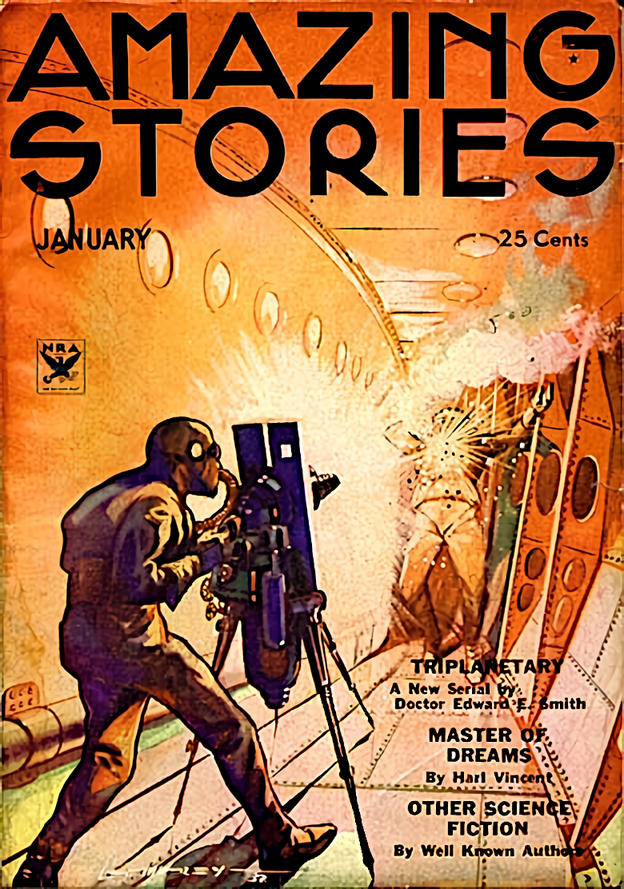
                                                                                    Weird Tales vol VII number 6 (June 1926) - featured story: The Foot Fetish by Howard R. Marsh


                                                                                    @books @scifi @Scifiart @sciencefiction
                                                                                    astralcomputing.com

                                                                                    Art by E. M. Stevenson

                                                                                    Weird Tales vol VII number 6 (June 1926) - featured story: The Foot Fetish by Howard R. Marsh. Cover illustration by E. M. Stevenson.

The magazine cover features a thick, bright red border enclosing a central illustration. At the top, the title "Weird Tales" is printed in large, white block letters with black outlines. Underneath, the subtitle "The Unique Magazine" is in black cursive. The main illustration depicts a dramatic, dimly lit scene. In the foreground, a pale woman with long dark hair lies flat on her back on a yellow mattress. Her eyes are closed, and she wears a gown with red, blue, and yellow patterns. A man in a green tunic with orange details leans over her, touching her arm. Behind them, a chaotic struggle unfolds. A man in a white shirt chokes another man whose head is thrown back. To the left, a man in a blue uniform and peaked cap points a pistol into the scene. In the background, a dark silhouette stands with raised hands. On the right wall, a menacing, green-hued face is visible, with blue smoke rising from a small lamp below it. The lighting is low and theatrical, casting high-contrast highlights on the white shirt and the woman. At the bottom left, "June 1926" and "25¢" are printed in black. The bottom margin reads "Don't Miss SPIDER-BITE, by Robert S. Carr, in This Issue" in white. The left margin contains vertical text: "JUNE, 1926", "WEIRD TALES", "Printed in U.S.A.", and "Vol. VII, No. 6—25c".

                                                                                    Alt...Weird Tales vol VII number 6 (June 1926) - featured story: The Foot Fetish by Howard R. Marsh. Cover illustration by E. M. Stevenson. The magazine cover features a thick, bright red border enclosing a central illustration. At the top, the title "Weird Tales" is printed in large, white block letters with black outlines. Underneath, the subtitle "The Unique Magazine" is in black cursive. The main illustration depicts a dramatic, dimly lit scene. In the foreground, a pale woman with long dark hair lies flat on her back on a yellow mattress. Her eyes are closed, and she wears a gown with red, blue, and yellow patterns. A man in a green tunic with orange details leans over her, touching her arm. Behind them, a chaotic struggle unfolds. A man in a white shirt chokes another man whose head is thrown back. To the left, a man in a blue uniform and peaked cap points a pistol into the scene. In the background, a dark silhouette stands with raised hands. On the right wall, a menacing, green-hued face is visible, with blue smoke rising from a small lamp below it. The lighting is low and theatrical, casting high-contrast highlights on the white shirt and the woman. At the bottom left, "June 1926" and "25¢" are printed in black. The bottom margin reads "Don't Miss SPIDER-BITE, by Robert S. Carr, in This Issue" in white. The left margin contains vertical text: "JUNE, 1926", "WEIRD TALES", "Printed in U.S.A.", and "Vol. VII, No. 6—25c".

                                                                                      [?]Bob the Traveler » 🤖 🌐
                                                                                      @bobthetraveler@mastodon.world

                                                                                      French author, poet, and playwright Victor Hugo, who died OTD in 1885, lived at the Place des Vosges in the Marais district of cromwell-intl.com/travel/franc

                                                                                        Back to top - More...