Search results for tag #books
![[?]](https://cdn.masto.host/subconscioussignatureearth/accounts/avatars/116/409/324/911/501/785/original/2d79604440323a29.jpg)
desaparecido manners and wheat
https://subspacewagon.systems/desaparecido-manners-and-wheat/
__
https://www.letters.directory
https://www.subspacewagon.io
https://www.poet.garden
https://www.patience.earth
__
#Poetry #DisabledArtist #PoetryCommunity #Poem #WritingCommunity #books #humanities #amwriting #CreativeWriting #WritersOfMastodon #writing #art #poetics #critcalThinking #community #literature #bookstodon #DigitalHumanities #sociology #humanRights #ableism #RuleOfLaw #Law #Library #Labor #Ethics #Education
![[?]](https://files.mastodon.social/accounts/avatars/114/676/810/638/193/469/original/525b79a7e083fcad.png)
A list of #fantasy #books recommended by Brandon Sanderson.
https://screenrant.com/best-fantasy-books-according-brandon-sanderson/
![[?]](https://cdn.masto.host/mastodonswedense/accounts/avatars/109/586/241/710/724/315/original/437ed2d7853515bf.jpeg)
Dagens boktips: The New Shore av Caren J. Werlinger. Det är bok tre i serien Little Sister Island. Otroligt förtjust i dessa böcker. Rekommenderas varmt!
#books #bookstodon
#sapphicbooks
https://www.goodreads.com/book/show/62214213
![[?]](https://files.mastodon.social/accounts/avatars/113/860/076/200/740/935/original/bbd8fdea33548157.jpg)
![[?]](https://files.mastodon.social/accounts/avatars/117/106/902/850/798/293/original/daf19d67fee9b29b.png)
"Yes, we do dine in public quite often," said a very great lady. "It's cheaper than keeping servants." https://gutenberg.org/ebooks/5398
#books
![[?]](https://files.mastodon.social/accounts/avatars/115/583/863/737/563/958/original/22fdd5653f8fa455.jpg)
Family. Career. Secrecy. Accountability. Rimington juggled it all — and writes about it with honesty and real class.
#books #bookreview #OpenSecret #BritishIntelligence
https://smpl.is/amhqf
![[?]](https://media.wakoka.com/accounts/avatars/110/677/841/878/712/423/original/004167ff9718a857.png)
https://www.wacoca.com/media/751368/ 夢から目を覚ますと、年下の彼に気遣われる…私の心に芽生えていた「ある思い」とは『子宮恋愛~another~』【#27】 | ほんのひきだし #book #books #書籍

Alt...
バナー
![[?]](https://files.mastodon.social/accounts/avatars/114/973/953/241/644/859/original/a8b09dc9de2f732c.png)
#PennedPossibilities 1113. Are you a planner down to the little details, a complete pantser, or somewhere in-between?
I switch between both.
Quality is better when I plan.
Rate is much faster when I pants.
In current WIP, I pantsed prose too soon, and had to discard it all. Needed detailed re-plan to fix.
If WIP was 100% pantsed, it would be published, but I'd be very unhappy with it.
Book 1 has weak spots, but planning paid off, until I just needed it to be done.
A bright young man joined Stalin's secret service. Then Stalin killed him. This true story stayed buried for fifty years.
#books #bookreview #coldwar #espionage
https://smpl.is/amhqi
![[?]](https://files.mastodon.social/accounts/avatars/115/400/477/731/551/602/original/b666e62b80a6660d.png)
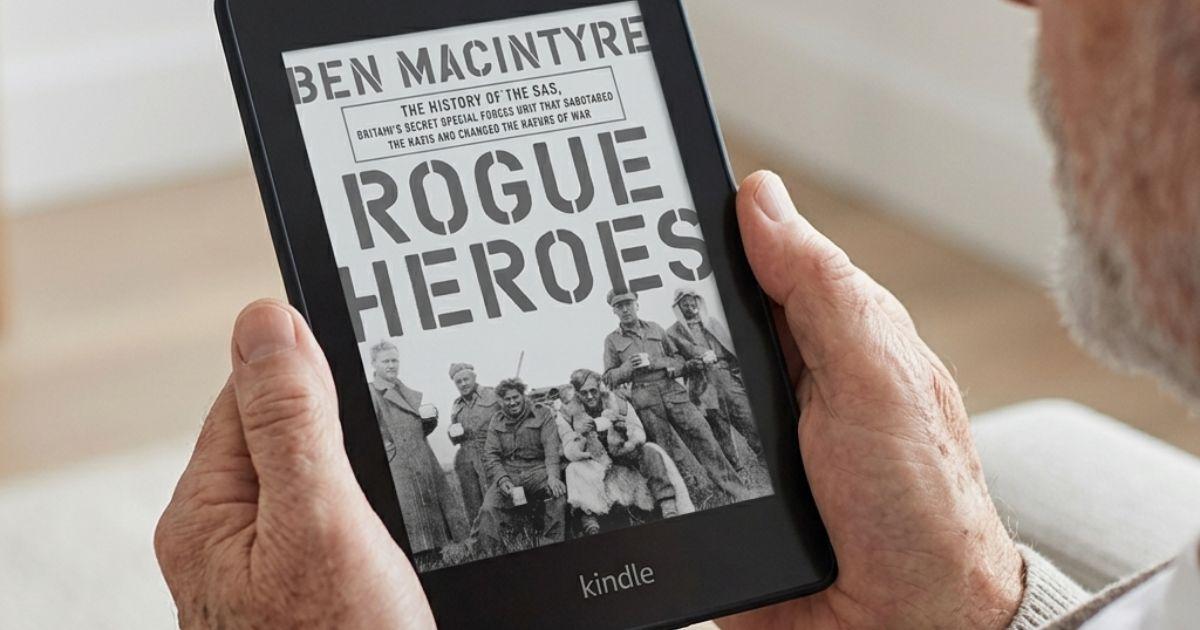
Macintyre brings this forgotten world to life. You’ll meet men who fought dirty, risked everything, and changed modern war forever.
#books #bookreview #RogueHeroes #SAS #BooksWorthReading
https://thisgrandpablogs.com/rogue-heroes/
![[?]](https://cdn.masto.host/graphicssocial/accounts/avatars/110/854/990/838/032/375/original/9cfb5f3bbd877b4f.png)
![[?]](https://mediacdn.aus.social/accounts/avatars/000/123/714/original/a5c8f707c993934f.jpeg)
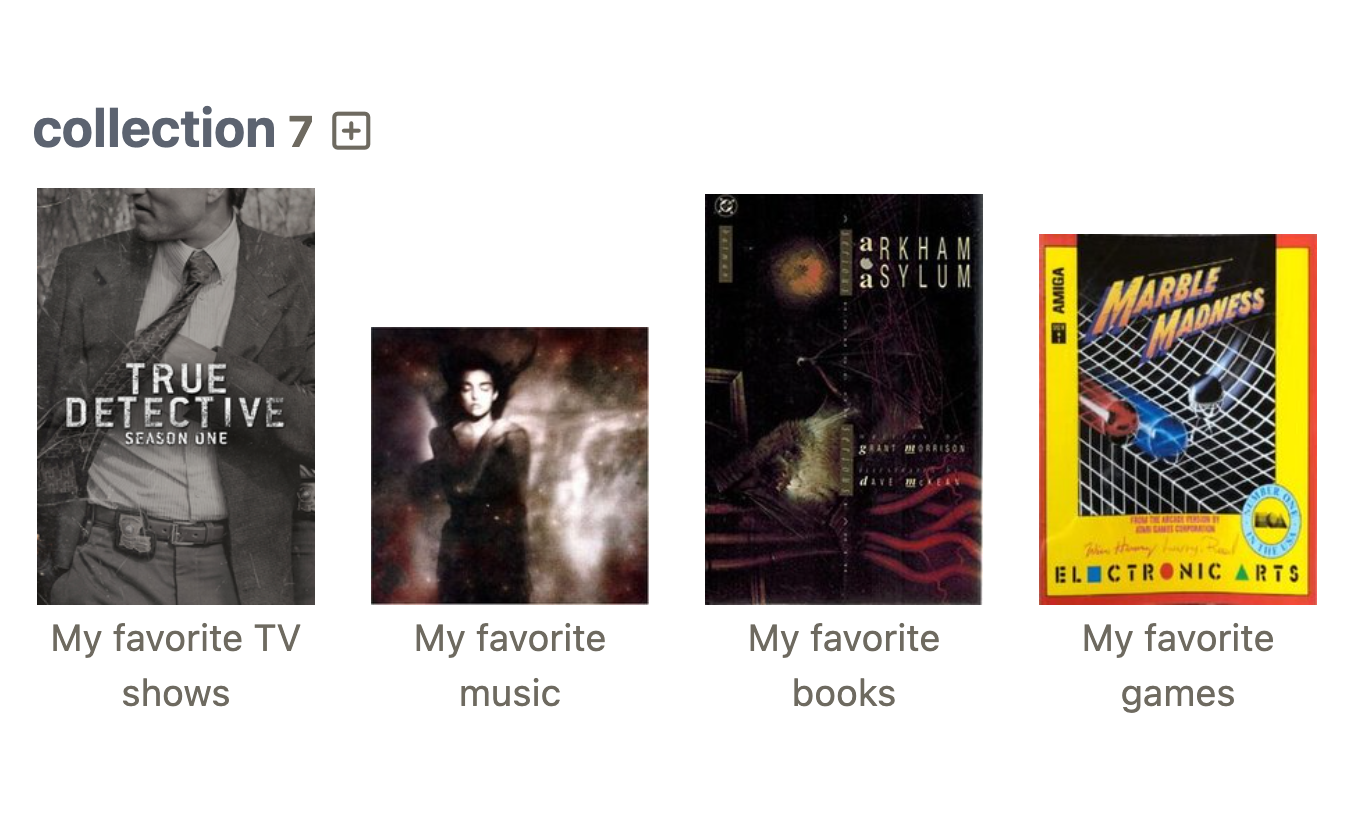
I just finished "A Trade of Blood" by Robert Jackson Bennett. Excellent as expected.
I'm not sure what to read next. I'm thinking I might give Jonathan Stroud's rollicking "Bartimaeus" books a re-read, before delving into another music history tome by Simon Reynolds. "Energy Flash" and "Futuromania" are both cued up on the decks.
![[?]](https://files.mastodon.social/accounts/avatars/115/090/106/266/289/375/original/8242bbceb53d91ce.jpg)
Nuevo capítulo de *Rusia de noche*: el 8. Interrogatorios, sospechas y un giro familiar inesperado. 🔍📖
![[?]](https://files.mastodon.social/accounts/avatars/109/355/050/369/648/745/original/01d3bd58da9b00e4.png)
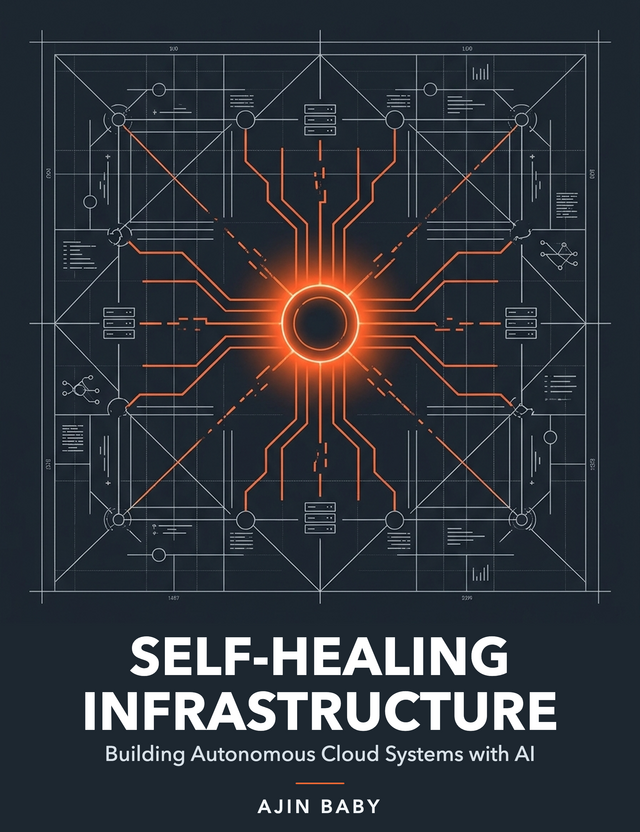
Self-Healing Infrastructure: Building Autonomous Cloud Systems with AI by Ajin Baby is a new release on Leanpub!
Most writing about AI and infrastructure stops at the demo. This book starts on the day the model is confidently wrong at 3 a.m.
Link: https://leanpub.com/self-healing-infra-with-ai
#Books #eBooks #NewReleases #LeanPublishing #SelfPublishing
![[?]](https://cdn.masto.host/zirkus/accounts/avatars/111/192/373/629/540/829/original/9ff4f5b9781a0e3a.jpg)
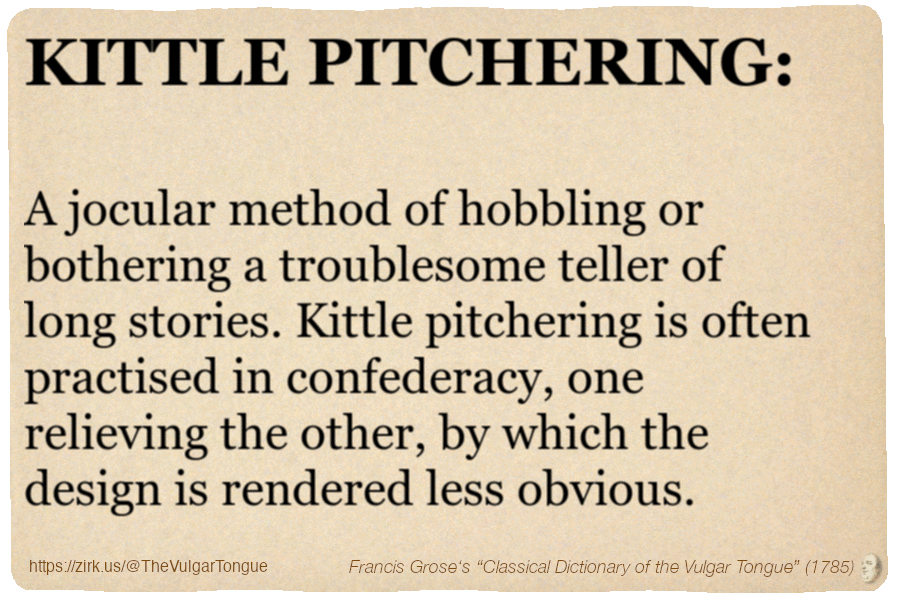
KITTLE PITCHERING. A jocular method of hobbling or bothering a troublesome teller of long stories. Kittle pitchering is often practised in confederacy, one relieving the other, by which the design is rendered less obvious.
A selection from Francis Grose’s “Dictionary Of The Vulgar Tongue” (1785)
--
#books #literature #dictionaries #history #society #language #slang @histodons
Alt...
Image imitating a page from an old document, text (as in main toot):
KITTLE PITCHERING. A jocular method of hobbling or bothering a troublesome teller of long stories. Kittle pitchering is often practised in confederacy, one relieving the other, by which the design is rendered less obvious.
A selection from Francis Grose’s “Dictionary Of The Vulgar Tongue” (1785)
![[?]](https://mediacdn.aus.social/accounts/avatars/109/561/593/962/006/439/original/08c31ddd9ec52a97.jpg)
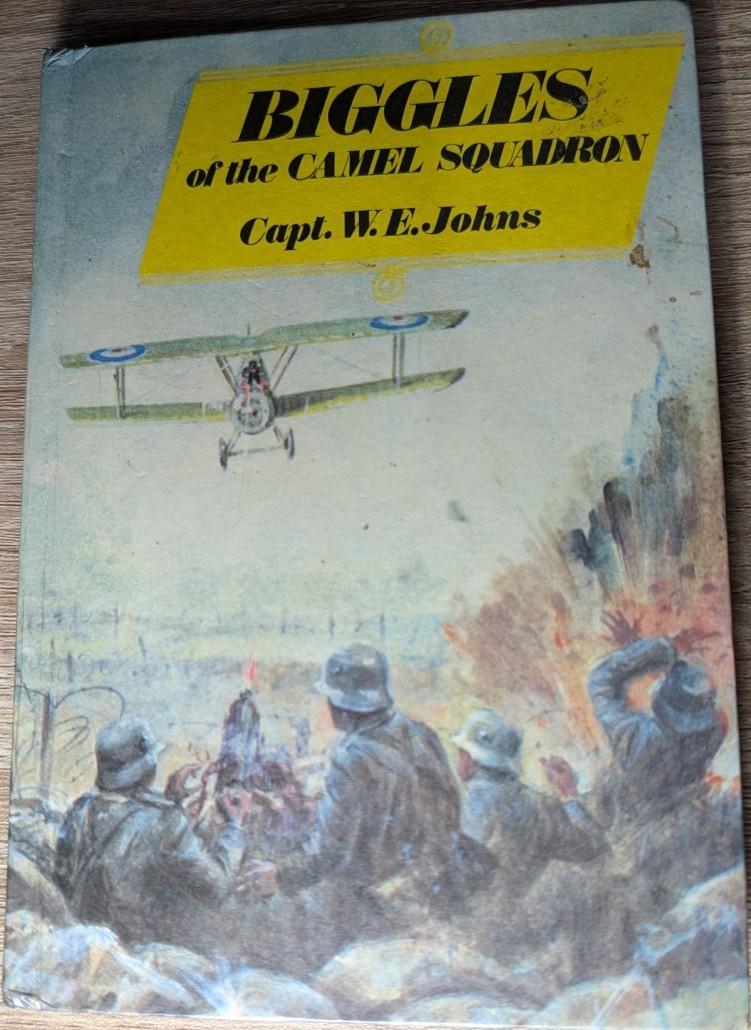
This mornings rabbit hole - adding my Biggles #books to Libib. Unfortunately I sold the collection I had when I was a kid but I have been slowly re-collecting them. It is always a thrill when I find a title I don't have. This title, Biggles of the Camel Squadron, is the first I read, fueling my imagination and forming a part of that early reading that set me towards becoming a writer (mostly poetry) myself.
Alt...
Biggles book cover - biplane flying towards soldiers in a trench with a machine gun
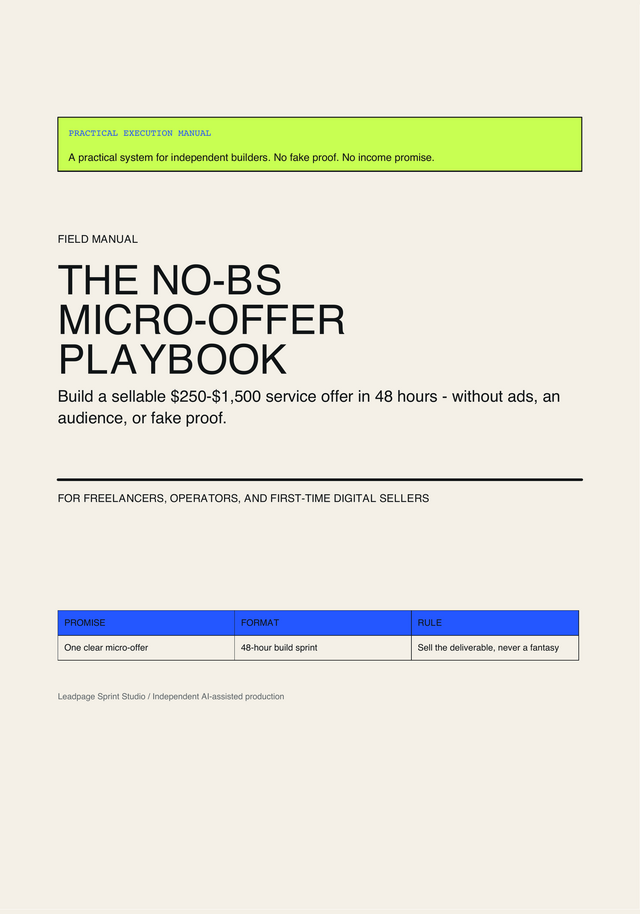
The No-BS Micro-Offer Playbook: Build a sellable $250-$1,500 service offer in 48 hours - without ads, an audience, or fake proof. by Leadpage Sprint Studio is a new release on Leanpub!
Turn one real skill into a scoped, priced, and launch-ready micro-offer. Includes a concise 13-page field manual and a 24-page workbook with 21 practical worksheets—without fake proof or income promises.
Link: https://leanpub.com/microofferplaybook
#Books #eBooks #NewReleases #LeanPublishing #SelfPublishing
![[?]](https://sbonline.nyc3.digitaloceanspaces.com/accounts/avatars/113/495/849/866/199/320/original/4f5084d408b1c280.jpg)
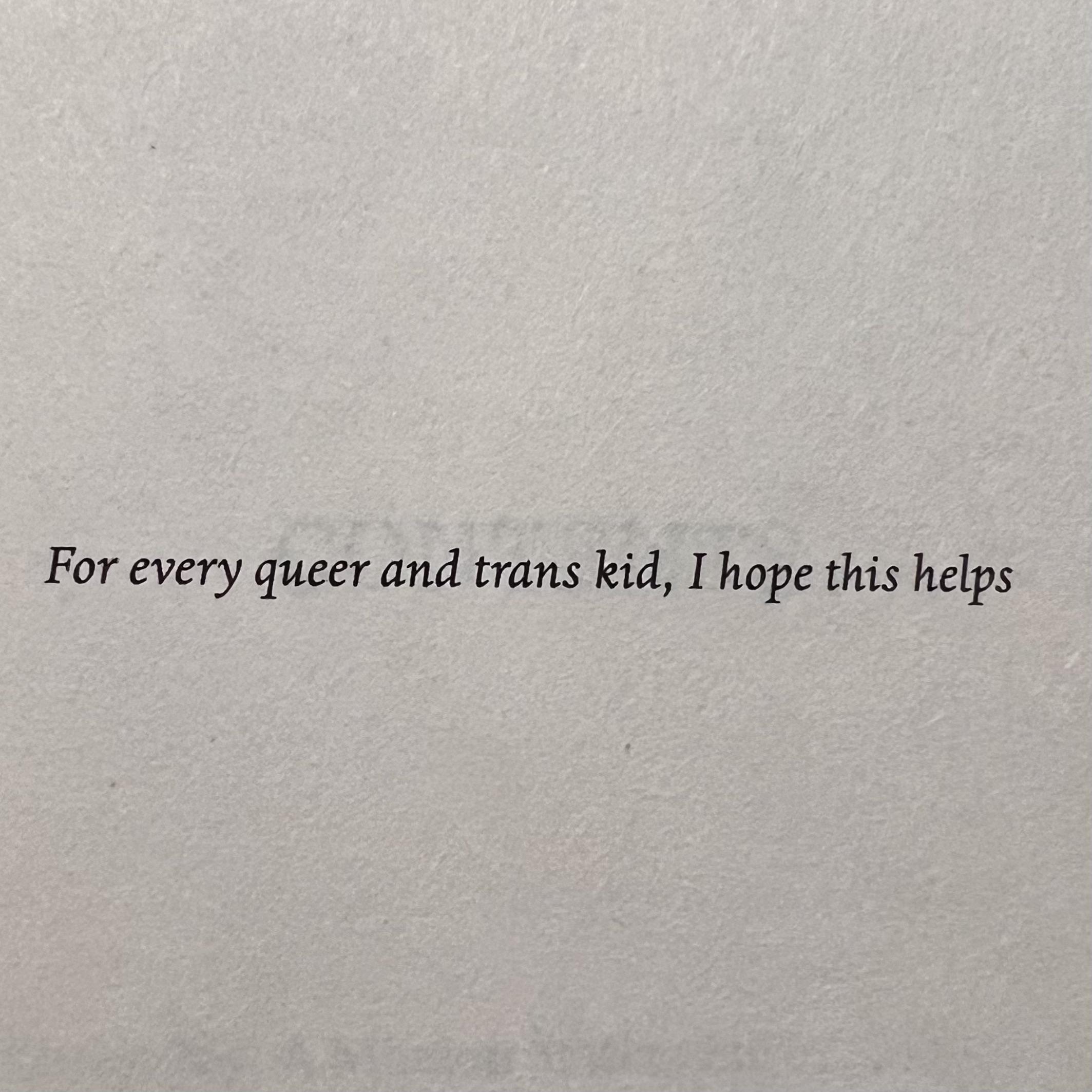
Rainbow Parenting: Your Guide to Raising Queer Kids and Their Allies by Lindz Amer #books #literature #dedication
Alt...
For every queer and trans kid, I hope this helps
https://www.wacoca.com/media/751236/ 『本屋ルヌガンガ』が教えてくれた、香川県を歩くのが楽しくなる本『復活 超麺通団 恐るべき さぬきうどんの世界』。(&Premium.jp)|dメニューニュース(NTTドコモ) #『本屋ルヌガンガ』が教えてくれた、香川県を歩くのが楽しくなる本『復活超麺通団恐るべきさぬきうどんの世界』。 #book #books #docomo #dメニュー #ドコモ #トレンド #ニュース #書籍 #最新 #流行 #速報

Alt...
『本屋ルヌガンガ』が教えてくれた、香川県を歩くのが楽しくなる本『復活 超麺通団 恐るべき さぬきうどんの世界』。(&Premium.jp)|dメニューニュース(NTTドコモ)
![[?]](https://i0.wp.com/www.themarginalian.org/wp-content/uploads/2021/10/cropped-tm_site_icon-1.png?fit=192%2C192&ssl=1)
Barry Lopez on the Cure for Our Existential Loneliness and the Three Tenets of a Full Life
"Existential loneliness and a sense that one’s life is inconsequential, both of which are hallmarks of modern civilizations, seem to me to derive in part from our abandoning a belief in the therapeutic dimensions of a relationship with place."

Alt...
Barry Lopez on the Cure for Our Existential Loneliness and the Three Tenets of a Full Life
Life, Loss, and the Wisdom of Rivers
"It’s a mercy that time runs in one direction only, that we see the past but darkly and the future not at all."

Alt...
Life, Loss, and the Wisdom of Rivers
![[?]](https://sbonline.nyc3.digitaloceanspaces.com/accounts/avatars/113/495/797/622/963/169/original/3b387cf74bf2b83c.png)
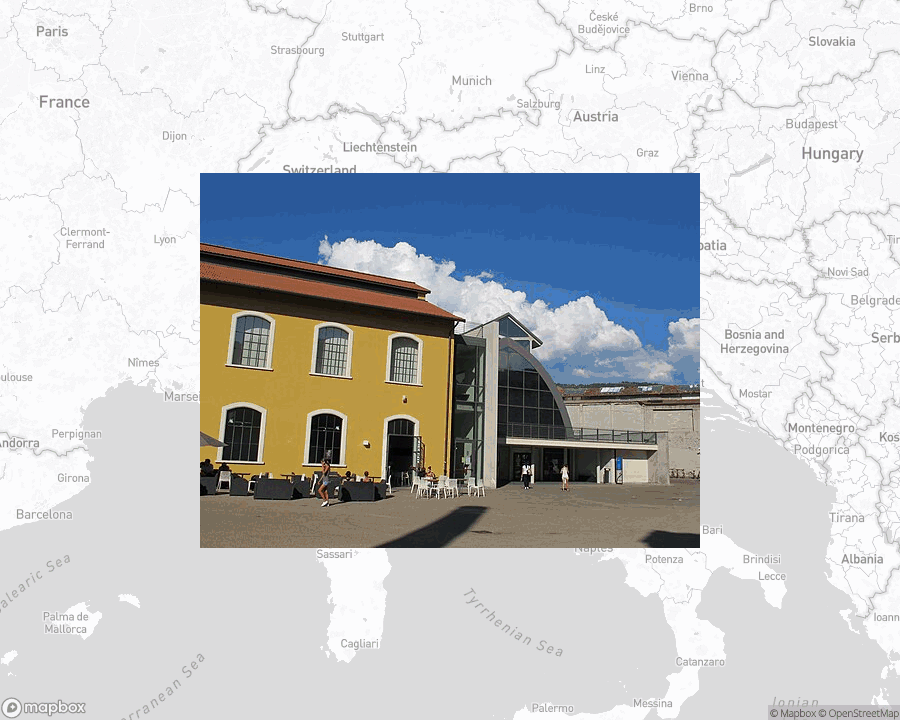
Biblioteca Lazzerini, public library in Prato, Italy.
https://en.wikipedia.org/wiki/Biblioteca_Lazzerini
Alt...
A photo of or from a library from the linked website, overlaid on a cropped world map where it's located.
![[?]](https://media.beige.party/accounts/avatars/111/383/623/822/554/482/original/32c36803090b12da.gif)
 Pixy's Journey
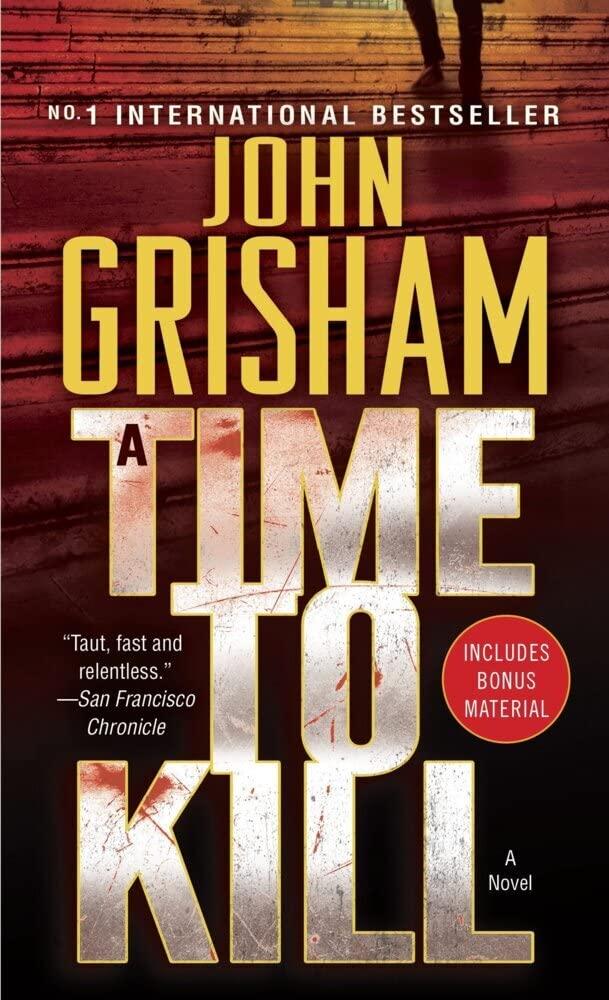
25. A Time To Kill - John Grisham
After not being able to finish s book for quite a while, I've now finished my second book this month. Not being able to fall asleep, due to the hand surgery, meant I spent more time with my Kobo. I had seen the movie several times over the years, but I had never read the book. So, now I have 😉.
I looked up several sites with info on the book 📚 and I'll share that info here with you. I tried to keep out all the spoilers, even though the book and movie have been around for a while now.
Links 🔗
Official author site: https://jgrisham.com/a-time-to-kill/
Wikipedia page: https://en.wikipedia.org/wiki/A_Time_to_Kill_
Good Reads: https://www.goodreads.com/book/show/32542.A_Time_to_Kill
Book synopsis:
Set in the fictional town of Clanton, Mississippi, A Time to Kill plunges into the deep racial tensions and moral complexities of the American South. The story begins when ten-year-old Tonya Hailey is brutally attacked and left for dead by two local white men. Devastated and convinced the judicial system will never deliver true justice for a Black child in their divided community, Tonya's father, Carl Lee Hailey, takes matters into his own hands, confronting and killing the perpetrators inside the county courthouse.
Carl Lee turns to Jake Brigance, a young, idealistic defense attorney with a small local practice. Jake agrees to represent Carl Lee, fully aware that defending a Black man charged with the premeditated murder of two white men in an all-white jury system is an almost impossible uphill battle.
As the trial approaches, Clanton becomes ground zero for a national media firestorm. The case draws in outside agitators, civil rights activists, and a terrifying resurgence of the Ku Klux Klan, who resort to intimidation, bomb threats, and street violence. Jake, assisted by ambitious law student Ellen Roark and his disbarred mentor Lucien Wilbanks, must navigate intense local politics, death threats against his own family, and aggressive maneuvers by ambitious prosecutor Rufus Buckley.
The novel unfolds as a high-stakes courtroom thriller that explores the boundary between law and justice, asking whether a fair trial is truly possible when community prejudice, vengeance, and deep-seated loyalties collide.
Main characters:
Jake Brigance
A young, sharp, and fiercely determined defense attorney in Clanton. Jake is a dedicated family man trying to build a modest legal practice, but he is also driven by deep moral convictions and a touch of ambition. Accepting Carl Lee's case puts everything on the line for him—his career, financial stability, and the safety of his family—yet he refuses to back down in the courtroom.
Carl Lee Hailey
A hardworking, devoted father and factory worker whose life is shattered by the horrific attack on his young daughter. Skeptical of a legal system historically stacked against Black citizens, Carl Lee acts out of raw grief, fury, and a desperate desire for retribution. Throughout his incarceration, he remains stoic, proud, and pragmatic about the severe consequences of his actions.
Ellen Roark
A sharp-minded, wealthy law student from the University of Mississippi with a passionate commitment to civil rights. Drawn to the explosive nature of the case, she volunteers to assist Jake's defense team. Ellen brings tireless research skills, sharp legal instincts, and fearless energy to the defense, despite facing severe danger from local hate groups.
Lucien Wilbanks
Jake's eccentric, brilliant mentor and former premier defense attorney who was disbarred years earlier for courtroom misconduct. Despite his struggles with alcoholism and a cynical outlook on life, Lucien is a powerhouse legal strategist who runs a wealth of institutional knowledge and radical courtroom tactics from the sidelines.
Rufus Buckley
The slick, fiercely ambitious District Attorney prosecuting Carl Lee. Buckley is a master showman in front of a jury who sees this high-profile capital murder trial as a direct launchpad for his political aspirations, particularly a future run for governor. He is relentless, calculating, and determined to secure a death penalty verdict.
Sheriff Ozzie Walls
The first Black sheriff elected in Ford County, caught in an extraordinarily difficult and delicate position. Ozzie is professional, level-headed, and dedicated to upholding the law, striving to keep peace in a town on the verge of open racial warfare while personally empathizing with the pain of the Hailey family.
Harry Rex Vonner
A loud, cantankerous, and loyal divorce attorney in Clanton who serves as one of Jake's closest friends and confidants. While Harry Rex prefers dealing with messy domestic disputes over high-stakes criminal trials, his street-smart advice, unwavering loyalty, and understanding of local jurors make him an essential ally to the defense.
Book reception by critics and fans:
When A Time to Kill was first published in 1989, it entered the literary world quietly before eventually becoming a monumental commercial and critical success.
Initial Release & Early Reception
* Publishing Hurdles: The manuscript was rejected by dozens of publishers and literary agents before small publisher Wynwood Press bought it, issuing a modest initial print run of around 5,000 copies.
* Early Critical Notice: Initial reviews were largely positive. Critics who covered the release praised its authentic depiction of Southern legal culture, sharp dialogue, and vivid sense of place, though limited distribution meant few people read it at first.
Post-The Firm Explosion & Reader Reaction
* Massive Resurgence: After Grisham’s second novel, The Firm (1991), became an international sensation, Dell and Doubleday reissued A Time to Kill in mass-market paperback and new hardcover editions. It rocketed onto The New York Times bestseller list and went on to sell millions of copies worldwide.
* Fan Response: Readers embraced the book as an intense, unputdownable courtroom drama. Fans frequently cite it as one of Grisham’s rawest, most emotionally charged novels, appreciating its moral ambiguity and grounded characters over high-gloss corporate intrigue.
Critical Retrospective
* Strengths: Contemporary and retrospective reviewers widely commend the novel's relentless courtroom tension, procedural accuracy (drawn from Grisham’s own background as a Mississippi defense attorney), and fearless confrontation of post-Jim Crow racial prejudice and vigilantism.
* Critiques: Some reviewers noted that, as a debut, the novel shows occasional pacing bloat and melodramatic turns compared to his later, more tightly edited thrillers. Additionally, its handling of vigilante justice and stark racial themes provoked lively debate among cultural commentators.
Overall, A Time to Kill grew from an overlooked debut into a foundational classic of modern legal thrillers, cementing Jake Brigance as one of Grisham’s most enduring characters and paving the way for a major 1996 film adaptation and direct literary sequels.
#Books #Reading #JohnGrisham #ATimeToKill
Alt...
Book cover of "A Time to Kill" by John Grisham. The background shows a gritty, dark scene washed in warm, deep red and brown tones, featuring wide concrete stairs. At the top edge, the silhouette of a person's lower legs and feet in dark trousers and shoes is visible walking away at the top of the stairs, lit by a subtle glow.
Across the upper portion, the text "NO. 1 INTERNATIONAL BESTSELLER" is printed in bold white capital letters. Below it, the author's name, "JOHN GRISHAM," is featured prominently in large, tall, yellow block letters.
Taking up the lower two-thirds of the cover, the book title "A TIME TO KILL" is rendered in massive, textured silver block capital letters with gold borders, splattered with speckles of red. The words are stacked vertically, with a smaller "A" nestled beside the large "TIME."
On the lower left, a review quote in white reads: “Taut, fast and relentless.” —San Francisco Chronicle.
On the lower right, there is a round red sticker badge with white text stating "INCLUDES BONUS MATERIAL," along with the label "A Novel" in small white font just below the badge near the corner.
Four stars. A lot of names to track in the middle, but the writing stays fast and sharp all the way through.
#books #bookreview #PabloEscobar #nonfiction
https://smpl.is/amhqc
Four stars. Dense in the middle but gripping throughout. One of the most important books in American journalism. Full stop.
#books #bookreview #Watergate #journalism
https://thisgrandpablogs.com/watergate-scandal-all-the-presidents-men/
Interested in learning more about self-publishing and book marketing from the cutting-edge team at Leanpub? Sign up for our Lean Publishing Tip of the Day newsletter on LinkedIn:
https://www.linkedin.com/newsletters/7378219557548859392
https://www.wacoca.com/media/751258/ 「何かツラいことでもあったんでしょ?」道で男性に絡まれた私を助けてくれたのは、見知らぬ美青年だった『さようなら、エデン。』【#8】 | ほんのひきだし #book #books #書籍

Alt...
バナー
https://www.wacoca.com/media/751259/ 『たけしの挑戦状』『超兄貴』などレトロゲームの開発秘話を紐解く書籍が刊行 – KAI-YOU #book #books #u30d3u30c7u30aau30b2u30fcu30e0 #u8a55u8ad6 #書籍

Alt...
『たけしの挑戦状』『超兄貴』などレトロゲームの開発秘話を紐解く書籍が刊行 - KAI-YOU
Kusa y Khalio chocan en un diálogo donde las pesadillas infantiles y un libro perdido abren grietas en el orgullo. La tensión crece entre recuerdos fallidos y silencios que pesan.
https://fictograma.com/d/3922-oddysey
![[?]](https://media.beige.party/accounts/avatars/110/893/958/418/472/792/original/56fa94bd19954fb7.jpg)
 [
[Update: Dammit. I'm awake. I did read a good graphic novel by Adam Ellis: Let Me in Your Window, a collection of imaginative modern horror stories. I really dug the creativity. 4 out of 5 stars. Recommend.
I'd previously read his graphic novel Bad Dreams in the Night. He always leaves me wanting more. As a whimsical extra, he also wrote Tiny Hats on Cats, with actual instructions on how to make the little hats he made for his rescue cats. How sweet is that!

![[?]](https://cdn.masto.host/writing/accounts/avatars/109/324/178/932/395/445/original/aca95207d5f7b93d.jpg)
#WritersCoffeeClub 30/8: What has your writing taught you this month?
Not so much taught me as reminded me of a truth I butt heads with regularly: the first time you think a book’s finished, you’re wrong.
#books #writing #writersofmastodon
#WordWeavers 30/8: "If you could interview one of your characters over coffee, what would be the first question you asked?"
“What should I order here if I want what we call an Americano back in our world? Or a Long Black?”
#books #writing #writersofmastodon
![[?]](https://files.mastodon.social/accounts/avatars/001/287/672/original/7377c2bd0ab16b03.jpg)
🌲 Algo en el bosque no es humano…
Y acaba de encontrar a su próxima presa.
Silent Threat – Capítulo 1
https://fictograma.com/d/3917-silent-threat
**Un sueño que se siente más real que la vida misma… y al despertar, el parque, la lluvia y ese color café que nunca vuelve.** 🌧️💔
“Un sueño al despertar” de EddRaven
https://fictograma.com/d/3916-un-sueno-al-despertar
![[?]](https://files.mastodon.social/accounts/avatars/116/063/841/117/033/240/original/f0179bda5c95a89d.png)
I had written thus far of Mr. Rossetti's poems, just after reading them for the first time when cruising among the Western Isles of Scotland in the summer of 1871, and I had published my criticism in the Contemporary Review for October (under circumstances explained in my preface), when Mr.
— Robert Buchanan
https://palimpseste.vercel.app/#text/e5ae365d-f83e-4951-8c07-5db21e457566
#lit #bookstodon #books #literature
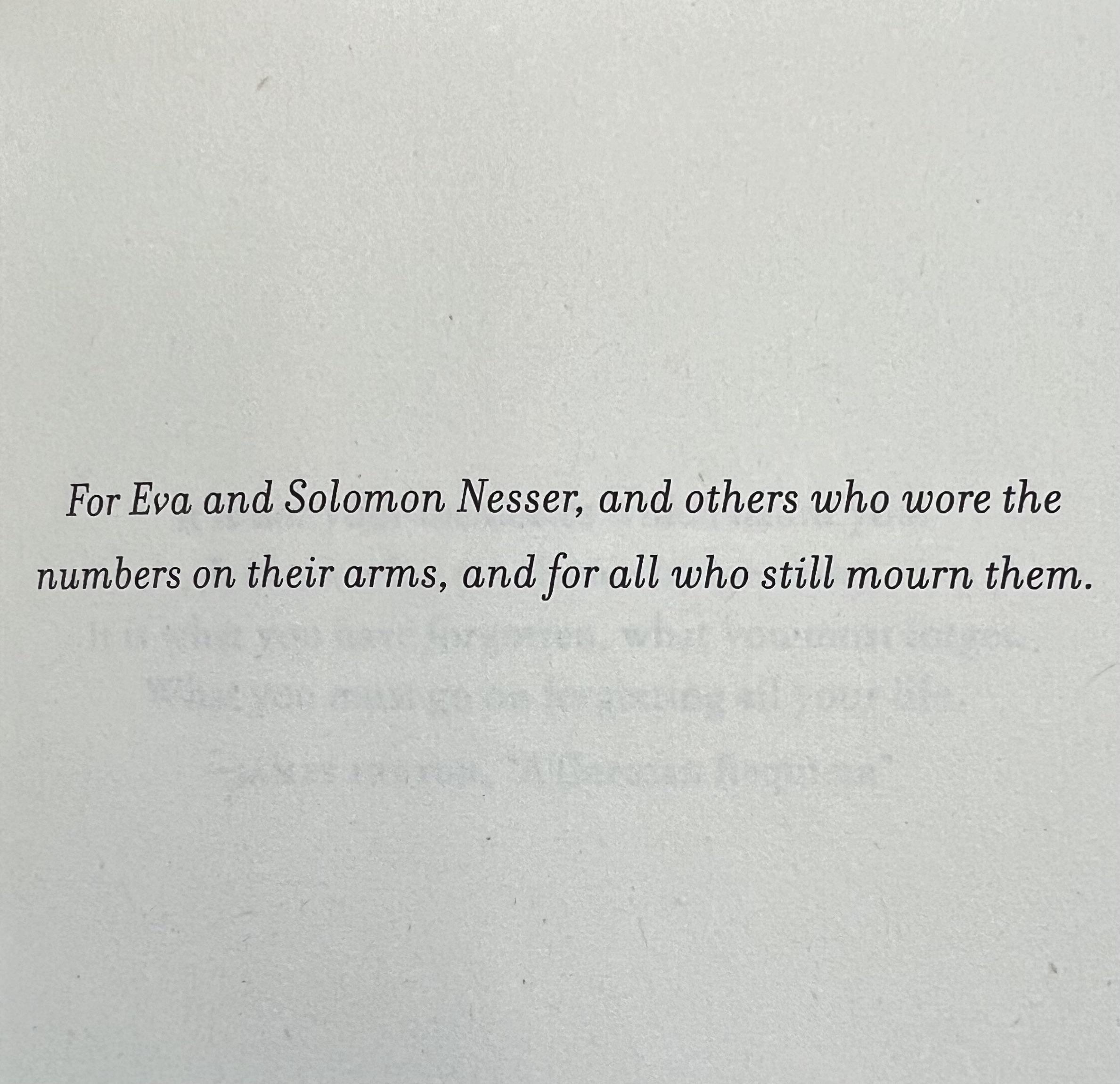
The Little Liar by Mitch Albom #books #literature #dedication
Alt...
For Eva and Solomon Nesser, and others who wore the numbers on their arms, and for all who still mourn them.
![[?]](https://stockroom.wandering.shop/accounts/avatars/110/675/314/385/404/052/original/2aa2d6257633f525.png)
I believe this to be true for #reading and #writing. #books in any form are all uniquely portable magic to me (if Stephen King says it, it must be true.☺️) #bookstodon

Alt...
Image shows magic stars and sparkles rising from the center of a book's fanned pages. Text reads: Books are uniquely portable magic" quote is attributed to Stephen King. Graphic by lynettemburrows.com
![[?]](https://files.mastodon.social/accounts/avatars/000/433/894/original/a1949233d0891c52.jpeg)
Started reading Be Funny or Die: How Comedy Works and Why It Matters by Joel Morris (he’s active on Bluesky).
![[?]](https://jasonrobinson.me/media/1/avatars/118158830_10157746538103067_5966535732138138439_n_R4nPB76.jpeg)
Some recent comics I've read.
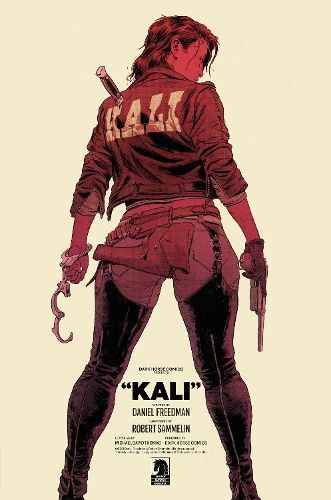
"Kali" (2022)
I loved the visual elements of this dystopian comic by Daniel Freedman and Robert Sammelin. Lots of revenge driven action with bikes, guns and explosions. The story unfortunately lacks depth, and kind of ruins it a bit.
https://openlibrary.org/books/OL36977544M/Kali
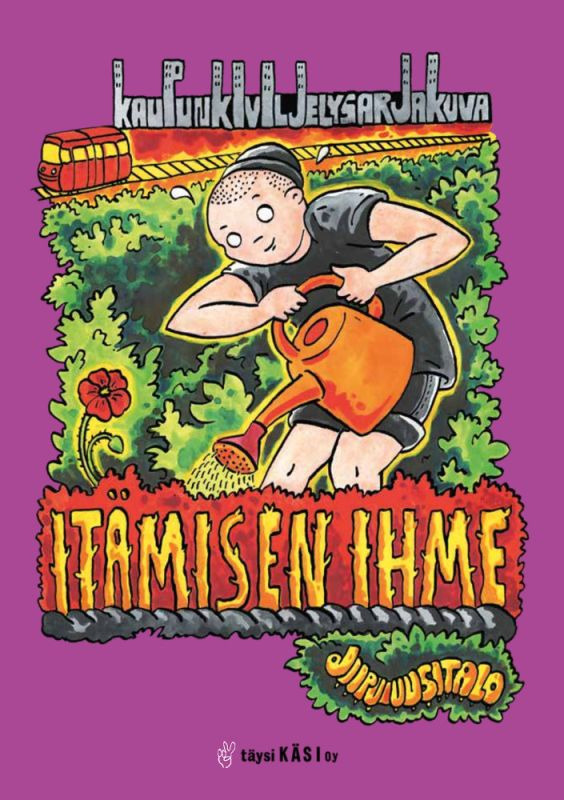
Itämisen ihme (2023) [Finnish]
Cute book by Jiipu Uusitalo celebrating plants, and specifically growing your own edibles. Somewhat lacking in story otherwise though. But it's cute, and plants are great!
https://openlibrary.org/books/OL62486399M/It%C3%A4misen_ihme
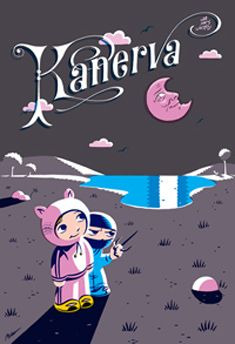
Kanerva ja yks juttu (2007) [Finnish]
Comic by Petteri Tikkanen features Kanerva, a child whose grandmother is dying. Unable to accept this, Kanerva, and their friend, aim to make the grandmother's remaining days memorable and worth living.
Dealing with a sad topic, I think this book does well in focusing on the joys of having someone precious around you while you still can.
https://openlibrary.org/books/OL62486401M/Kanerva_ja_yks_juttu
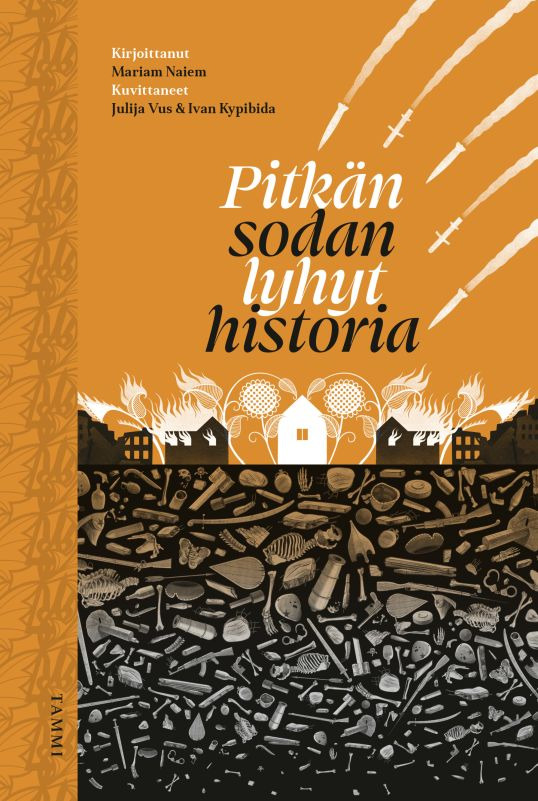
Pitkän sodan lyhyt historia (2025) [Finnish]
Translation from Ukrainian, original title Коротка історія довгої війни, English translation A Brief History of a Long War, by authors Mariam Naiem, Julija Vus and Ivan Kypibida, tells the history of the conflict between Russia and Ukraine through hundreds and hundreds of years, while focusing on the current Russian invasion between lessons of history.
While I'm definitely of course on the Ukrainian side, I have a slight allergy to books that draw on a nationalistic narrative, being somewhat of a "there should be no borders at all" kind of person. It's obvious the history of Ukraine is a topic of persecution, injustice, cultural subjugation and pure genocide. But even defending against such crimes can easily go into the glorification of the nation or culture under attack.
All that said (because the above is largely unrelated to Ukraine or Russia), the book is very well narrated and drawn, and I fully recommend it, both from the view on history in the region, but also the suffering of the people in the region now.
https://openlibrary.org/books/OL62486402M/Pitk%C3%A4n_sodan_lyhyt_historia
#books #jasonreads #comics #dystopia #plants #family #war #ukraine #russia #nationalism
![[?]](https://cdn.masto.host/zirkus/accounts/avatars/114/015/772/013/826/539/original/a461dd1d47c03f24.png)
August 30
--
`Both on August 30 and 31, 1917, very brisk fighting occurred on the northern slopes of Monte San Gabriele and east of Goritz, where the Austrians with repeated violent counterattacks attempted to drive back the Italians.`
--
“The Story of the Great War, Volume 7”
https://www.gutenberg.org/ebooks/34161
![[?]](https://files.mastodon.social/accounts/avatars/114/474/507/851/134/814/original/0499015c74fc60aa.png)
EXTRA MISSION: 最終回を終えて – 仮面ライダーWEB【公式】
EXTRA MISSION: 最終回を終えて 仮面ライダーWEB【公式】『仮面ライダーゼッツFS』第1部あらすじ解禁 「おはよう」へとつながる物語 脚本は高橋悠也氏「余白が回収される物語」(オリコン [...]
#MAGMOE #JP #JAPAN #EntertainmentNews ##仮面ライダー #ADK #BLACKSUN #books #entertainment #EntertainmentTopics #gavv #kamen #rider #TTFC #イベント #エンタメ #エンタメトピック #ガヴ #カプセム #グッズ #ゼッツ #テレビ朝日 #ニュース #ブラックサン #令和 #周年 #図鑑 #書籍 #東映 #石森プロ #配信 #風都探偵
https://www.magmoe.com/3191463/entertainment-news/2026-08-30/

These weren't robots in front of screens. They had obsessions, rivalries, and real joy over a line of code that ran clean.
#books #bookreview #HackersHeroes #computerhistory
https://smpl.is/amhq9
Web Components & Design Systems: Built for Humans, Engineered to Be Agent-Ready by Sandeep Kumar Patel is a new release on Leanpub!
Build a real, production-grade design system on the web platform — Prism DS, from a single custom element to an AI-agent-ready component library — with every example tested in a real browser before it made it into the book.
Link: https://leanpub.com/components
#Books #eBooks #NewReleases #LeanPublishing #SelfPublishing

![[?]](https://files.mastodon.social/accounts/avatars/113/940/257/307/474/996/original/4f581d3d3d66fa2e.jpg)
2 Розділ Останнє полювання
Жана-Крістофа Гранже наявний текст в додатковому вікні натисніть ALT на
малюнку #100дописівукраїнською
#книги @rada #ra @ua #books @books @readit @bookclubreadit
@Literbook #Жан-КрістофГранже
Alt...
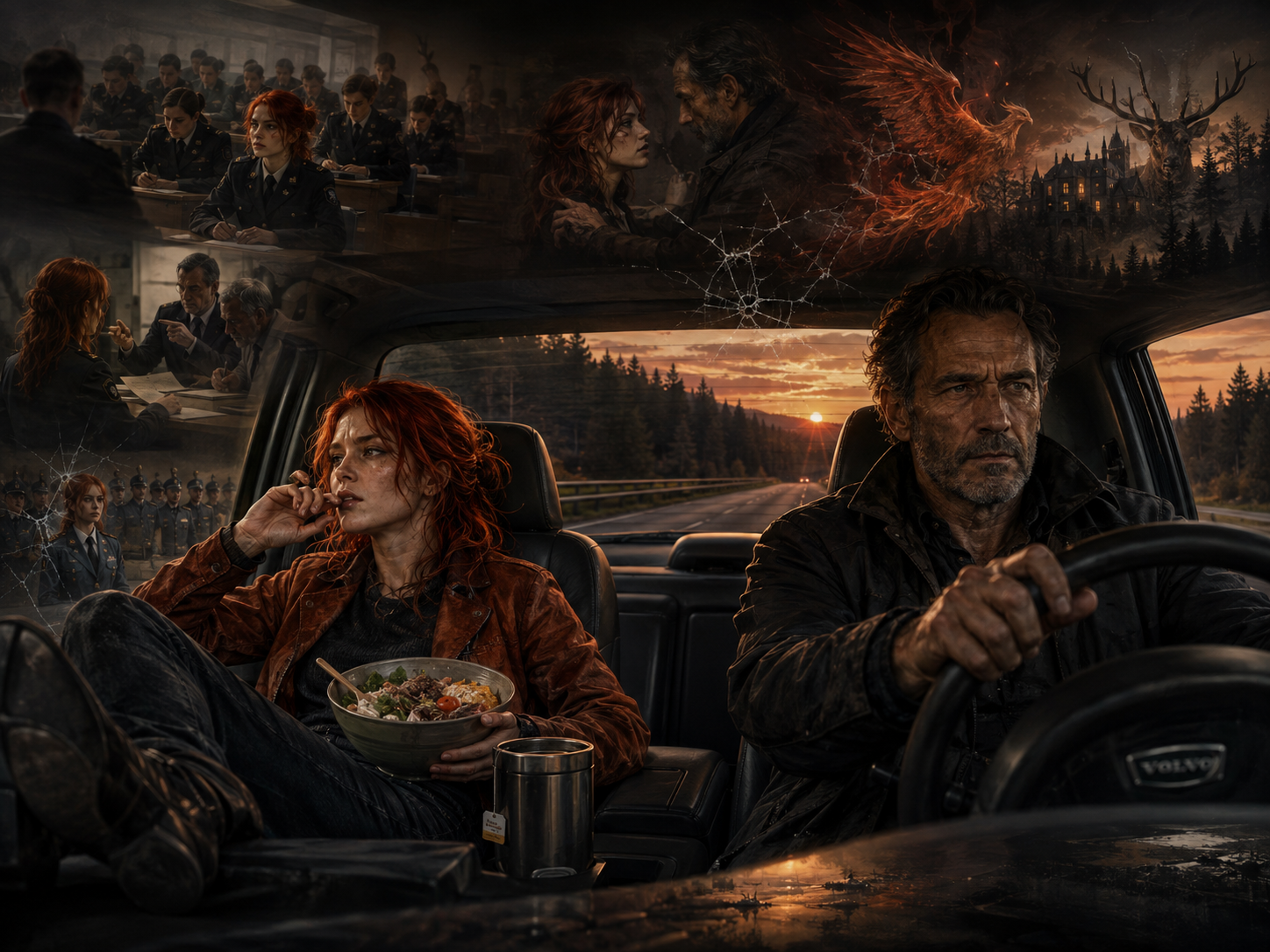
Дорога до Фрайбурґа стає для П’єра Ньємана не стільки початком нового розслідування, скільки нагодою придивитися до людини, яка непомітно стала найважливішою частиною його повернення до життя. Поруч із ним — лейтенант Івана Боґданович, колишня учениця, а тепер напарниця: невисока, худа, рудоволоса жінка, у зовнішності якої Ньєман одночасно бачить тепло осіннього листя й майже хижу життєздатність істоти, що пережила катастрофу. Ґранже навмисно будує її портрет із суперечностей: крихкість тут сусідить із силою, ніжність — із жорсткістю, а зовнішня безтурботність приховує внутрішню лють. Вона здається Ньєманові людиною, яку життя вже намагалося зламати, але натомість лише загартувало.
За спостереженнями Ньємана поступово проступає історія їхніх стосунків. Івана колись була його слухачкою у Вищій національній школі поліції, де він уже під час першої переклички неправильно вимовив її прізвище. Її реакція одразу показала характер: байдужість до формальностей була не покірністю, а демонстрацією внутрішньої незалежності. Відтоді Ньєман устиг добре вивчити її різку красу, манери та силу характеру. Водночас автор залишає затемнену ділянку їхнього минулого: обоє воліють забути справжню першу зустріч і поводитися так, ніби їхня історія почалася заново. Цей недомовлений спогад надає їхній близькості прихованої напруги.
У буденній сцені в автомобілі ця напруга змінюється майже домашньою теплотою. Замість кави Івана купує Ньєманові трав’яний чай, їсть салат із кіноа, згортається на сидінні, кладе ноги на дорогу для нього панель улюбленого «вольво», гризе нігті. Те, що від будь-кого іншого викликало б у Ньємана вибух гніву, їй дозволено. І саме ця дрібниця говорить більше за прямі декларації: старий, похмурий, травмований поліцейський поруч із нею раптом відчуває себе легким і навіть щасливим. Після років фізичного й психологічного руйнування присутність Івани стає для нього одним із доказів того, що він усе-таки повернувся зі свого особистого небуття.
Особливого значення набуває і вибір Івани напарницею. Зовнішня репутація Ньємана — старого мачо, який нібито вважає поліцейську роботу винятково чоловічою справою, — вступає в суперечність із його рішенням. Сам Ньєман розуміє, що така характеристика надто примітивна. Побачивши професійні здібності Боґданович ще під час навчання, а потім переконавшись у них на службі, він не сумнівався: саме вона має бути поруч. Для нього Івана не символічна поступка новим часам, а повноцінний партнер — людина, чия витривалість, гострота розуму й внутрішня лють відповідають його власному способу існування.
Так другий розділ майже не просуває детективну загадку безпосередньо, зате виконує фундаментальну роботу перед її початком. Ґранже формує новий центр роману — дует Ньєман–Боґданович. Це не класична пара «вчитель і учениця»: перед нами двоє людей із внутрішніми тріщинами, які по-різному навчилися виживати. Ньєман бачить в Івані силу, що народилася після катастрофи; сам він щойно повернувся після власного фізичного та психічного краху. Саме тому їхня близькість здається природною: кожен упізнає в іншому того, хто вже одного разу пережив власний кінець.
Розділ завершується на порозі власне детективної історії. Автомобіль мчить у напрямку Фрайбурґа, а Ньєман нарешті просить Івану викласти матеріали справи. Позаду залишається психологічне знайомство з героями; попереду — Чорнолісся, аристократична родина Ґаєрсберґів і злочин, у якому людина дуже скоро перестане відрізнятися від загнаної на полюванні тварини
**Un sueño que se siente más real que la vida misma… y al despertar, el parque, la lluvia y ese color café que nunca vuelve.** 🌧️💔
“Un sueño al despertar” de EddRaven
https://fictograma.com/d/3916-un-sueno-al-despertar
![[?]](https://wendypalmer.au/wp-content/uploads/2023/10/cropped-author_photo.jpg)
Books: Favourite reads, Aug’26
My usual quick hello and thanks to new subscribers: I promise I won’t overload your inbox, you’ll only hear from me once a month or less with these book capsule-reviews or the occasional announcement about one of my own books. Onwards:
I’m in a bit of a reading slump (sure to be lifted when I shortly treat myself to Daggerbound and the Salt King, and the upcoming Bodies of Magic, not to mention a new book by AJ Demas with its sequel soon to follow
!) but I still found plenty of engrossing reads over the last little while to share. Equal mix fiction (mostly fantasy, one technically-spec-fic) and non-fiction this month.
Fiction
Swordspoint by Ellen Kushner
Richard St Vier is the best of the best in a short-lived career option, a hired swordsman who duels for the elite for money — while quite grimly finishing every argument his damaged but oh-so-appealing boyfriend merrily starts for free. Of course, upper-class machinations come slumming to join the fun. OH GOOD LORD DID I LOVE THIS! I came across it mentioned in the Queer Bookshelf by Layla McCay, was immediately intrigued, and was not disappointed: excellent world-building, non-boring politics, complex characters with all the twisty morality and motivations you could desire. I went straight on to read the sequel, The Privilege of the Sword, which I also greatly enjoyed, though I would have liked a clever resolution like in Swordspoint rather than what the character in question actually did (not that it was not satisfying in its own way). In fact, I loved this so much I immediately wanted to write my own “honour
-and-swordfights” sort of book, promptly shoving my “terrifying death wizard but also misunderstood puppy” idea down the queue
.
Kings of the Wyld by Nicholas Eames
I get a real kick out of the Old Heroes fantasy sub-genre, otherwise I probably wouldn’t have got past the grimdark, blokey cover. My favourites are the Crimson Empire trilogy by Alex Marshall, and the Land Fit for Heroes trilogy by Richard Morgan (though dark, very very dark, it has a hell of a moment at the end of the first book). This one takes the (warrior/music) band metaphor and runs with it: old bandmates reunite for one last tour to mount an impossible rescue. All the characters are well-drawn (I especially loved Clay, our MC) and their old-friends interplay is a treat, the reunion road trip is immense fun, and the resolution satisfying. I also read the sequel, Bloody Rose, which I still liked but not quite at the same visceral level, since it’s coming-of-age, and I came of age thirty years ago; I have slightly more in common with the old heroes 🙂 I do wish this author had written more.
Perilous Times by Thomas D Lee
I think this probably counts as Old Heroes too, since our knights have been kicking about for a thousand years or so. It is eminently readable: once I started, I did not want to put it down. It begins with Kay, King Arthur’s brother (not technically a knight of the Round Table), digging his way out of his grave with a pragmatic all-right-what-peril-do-I-have-to-take-a-sword-to-this-time attitude, having grown used to answering the call through multiple wars and other crises. Unfortunately a young eco-warrior soon shows him it’s not something you can just whack with a sword: set in the near future, the peril is world-ending climate change, in a depressingly realistic fashion
. Meanwhile Lancelot is back, too, and just as jaded; I can’t be the only reformed teen-reader-of-Arthurian-legends to be unsurprised he’s portrayed as a dick. He’s also gay and still offended by accusations of seducing Guinevere (though the book uses traditional Welsh spelling quite often). They end up on opposing sides of an eco-war, and things just spiral from there. Funny and sad in turns, it has fantastic momentum and a charming mix of world-weariness and stubborn hope. I’d started recommending it to friends before I was even halfway through and will be reading the sequel (prequel?) soon.
Time Travel for Beginners by Jaclyn Moriarty
One of my more mainstream-lit reads, this is the one I’d call technically spec-fic, since it does, in fact, have time travel in it as promised
. But it’s more general fiction with family, friends and romance, with an element of hand-waved-science time travel to draw it together — but it’s funny (particularly the reviews of the time travel agency by satisfied, bemused, or angry customers), Australian, heartfelt, chockful of well-realised characters, and very easy to read.
Non-Fiction
A Curious History of Sex by Dr Kate Lister
A madcap dash through some of the illuminating trends and episodes in the long history and deep breadth of human sexuality by the inestimable host of the Between the Sheets podcast, with a lean towards her areas of research. Sometimes dark, sometimes hilarious, always told with sympathy, wisdom, and wit, and a deep understanding of human nature.
Lifeboat at the End of the World by Dominic Gregory
Part-memoir, part-history centred around the volunteer lifeboat crew of Dungeness, opening in the dramatic days of rescuing boat after boat of sinking asylum-seekers crossing from France and the resulting media scrum and racist rhetoric. Well-written, beautiful sense of place, steadfast morality in the face of provocation, and a paean to that most human of things: a lifesaving tradition maintained across centuries purely by volunteers, inspiring but also heart-breaking at times.
Proto by Laura Spinney
The story of the Proto-Indo-European language, and what the linguistic evidence, the archaeological evidence, the genetic evidence, and the blend of all three strands now tells us about its origins and messy spread across Europe and Asia, and how that reshapes what we know of world history. I personally found it enthralling, but it’s probably a slightly niche interest 🙂
If This Be Magic by Daniel Hahn [audiobook]
Subtitle is “the unlikely art of Shakespeare in translation”, a very apt tagline for a fascinating topic: there are so many major and micro-decisions to be made at every step just with standard translations, and translating the archaic language, wordplay, structure, rhythm, settings, culture and context of Shakespeare adds endless complexity: it can never be a literal word-for-word translation when you’re eg trying to recreate a pun or replicate an extended metaphor that simply does not work in the target language. Even punctuation has to be thought about. Hahn imparted so much respect for the skill, ingenuity and dedication of these translators. Sometimes they even have the advantage, because they can speak to their modern audience more effectively than the English productions where any adaptation for modern times is challenged: “I wish we could translate Shakespeare, too”. I could quote half the book, but I’ll limit myself to this last pithy maxim: “A writer will do things because they can, and so a translator must contrive to do those same things even if they can’t”.
And

Book release done! Writing Fest done! New WIP commences September 1, and I’m chomping at the bit (the upside of enforcing a solid three-week break was that my brain promptly started obsessively plotting scenes to avoid the stress of my first author-talk event in almost 20 years of publishing).
Fellow Aussies, I’ve added signed print copies to my Payhip store. (Sorry, International readers, I would be frankly embarrassed to have to charge you the postage it takes to send anything overseas from Australia.)
- Is it too much to ask that an online-bookstore algorithm will alert me to new releases by an author whose every books I’ve devoured, instead of flooding me with books by an author I glanced at once, leaving me to discover precious new Demas by sheer fluke? ↩︎
- My themes usually arise organically during the first draft, but the moment you’re dealing with duels, you’re dealing with honour, it’s unavoidable ↩︎
- Itself having displaced the poor neglected “spider heist” book I’ve been wanting to write since I read Silk & Venom by James O’Hanlon in 2023. ↩︎
- Especially with the new UK PM spectacularly failing to take the heatwave hint of the oncoming FO stage of our new FAFO era with his keep-drilling-cut-EV-and-solar-targets policies. ↩︎
- This is a very vague reference to another recent mainstream book which did not fulfill its promise. ↩︎

Alt...
A graphic showing the covers of the eight books I talk about in the post.

Alt...
Vintage typewriter with paper rolled in ready to type. The paper has writing news typed on to it.
![[?]](https://pleroma.microblog.se/media/40774cdd-e01c-4159-9865-9d050a4e105b/avatar.png)
—Sarah Kendzior
#reading #books
Stella this day is thirty-four,
(We shan't dispute a year or more:)
However, Stella, be not troubled,
Although thy size and years are doubled,
Since first I saw thee at sixteen,
The brightest virgin on the green;
So little is thy form declin'd;
Made up so largely in thy mind.
— Jonathan Swift
https://palimpseste.vercel.app/#text/a178e17d-3b36-44f9-a3f3-769e79e20f41
#lit #bookstodon #books #literature
![[?]](https://files.mastodon.social/accounts/avatars/117/106/555/265/831/439/original/17bcd0dff289ae7c.png)